










What treatments help menopause-related acne?
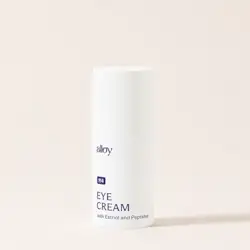
Menopause-related acne usually improves with a mix of gentle skincare and, if needed, prescription treatment. For milder breakouts, over the counter options can help, especially a gentle cleanser with a low level of salicylic acid, a plain moisturizer, non-comedogenic makeup, and daily sunscreen. It also helps to avoid harsh scrubbing, tanning, and products that dry out mature skin, since menopausal skin is often thinner and more sensitive.
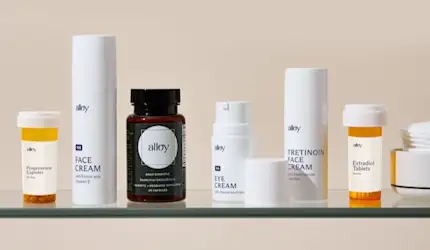
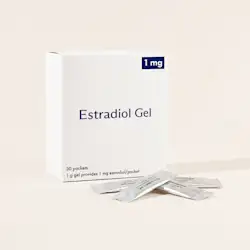
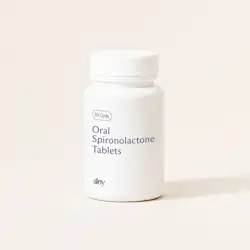
If the acne is deeper, more cystic, or clustered along the chin and jawline, prescription treatment may help more. Topical retinoids like tretinoin can speed cell turnover, unclog pores, and reduce inflammation, but they need to be used carefully because midlife skin can get irritated more easily. Hormone-based treatment can also help when shifting hormones are driving the breakouts. Low-dose estrogen and progestin birth control pills may reduce acne by lowering testosterone activity, and in some cases low-dose estrogen therapy or HRT may help too. Spironolactone is another prescription option that’s sometimes used for hormone-related acne because it blocks androgen activity.
For more detail, take a look at our guide on menopausal acne treatments and our facial acne symptom page. If you want a menopause-trained doctor here at Alloy to assess whether tretinoin or hormone treatment makes sense for your skin, you can start with Find Your Plan.
This answer was created using the following resources: