Why Am I Getting Acne During Menopause, and How Can I Treat It?
5 minute read

Summary
Menopausal acne is caused by shifting hormone levels, specifically a drop in estrogen and progesterone that leads to "relative androgen dominance." This hormonal imbalance triggers increased sebum production and slower skin cell turnover. You can manage these breakouts through gentle skincare, lifestyle adjustments, and targeted medical treatments like topical retinoids or hormone therapy.
Is It Normal to Experience Hormonal Breakouts During Menopause?
Unfortunately, yes. During menopause, your hormone levels are changing. In the ten years prior to menopause estrogen, progesterone, and testosterone are all in flux. Once you enter menopause, the balance of these three hormones alters dramatically. Since you are no longer ovulating, the levels of estrogen and progesterone fall precipitously. The levels of testosterone made by the ovary decline as well but not as rapidly as the others.
This shift creates what’s known as relative androgen dominance, where the effects of testosterone become more pronounced as estrogen declines. This relative excess of testosterone is not only responsible for those middle-aged breakouts but for those pesky, unwanted chin hairs as well.
The Science of Menopausal Skin: Why Your Pores Are Clogging
As your hormone levels change, your skin responds in two ways:
Increased Oil Production: Your skin will produce more oil and sebum.
Slower Cellular Turnover: Your skin will decrease the rate at which old skin cells are shed.
Your pores can be blocked by these old skin cells and become inflamed, resulting in breakouts. These skin changes are similar to the ones that happen during teenage acne, which is also related to hormonal changes.
However, menopausal acne usually looks a bit different from teenage acne. It tends to be deeper, more cystic, and unfortunately more painful. You’ll mostly notice it along the jawline, chin, and lower face (AKA the “U-zone”). This distribution is a hallmark of hormonally driven acne.
Common Triggers That Can Worsen Menopausal Acne
Changes in hormones lay the foundation for midlife breakouts, but a few other things can also play a role:
Stress and Cortisol: Chronic stress leads to higher cortisol levels, which leads to higher inflammation and increased oil production.
Sleep Disruption: Poor sleep (often caused by night sweats) raises stress hormones and hinders overnight skin repair.
Dietary Factors: High-glycemic foods (carbs/refined sugars) and certain dairy products like skim milk have been linked to flares.
Skincare Pitfalls: Over-scrubbing or using harsh products can damage the skin barrier, making acne more likely in thinner, mature skin.
Skin Health
9 Dermatologist-Recommended Ways to Manage Menopausal Acne
Though menopausal acne resembles teenage acne in how it develops, it needs to be treated differently. This is because your skin is likely thinner and dryer than in your adolescent years, and the suitable remedies for teenage skin are most likely too harsh. Dermatologists recommend the following for the care of menopausal acne:
Use a Gentle Cleanser, Not Soap: Wash your face with a gentle cleanser containing low levels of salicylic acid. Salicylic acid helps unclog your pores by removing oils (sebum) and dead skin. Make sure you use the suggested amount of cleanser—low levels of salicylic acid will not dry your skin out, but you can damage and irritate your skin if you use too much cleanser.
Use Moisturizer: Treat your skin to moisturizer after you bathe or wash your face. Moisturizers can counteract the drying effects of surfactants found in many soaps. Avoid fragrant moisturizers, as fragrance can dry out your skin and cause scarring in places with acne.
Avoid Using Oil-Based Cosmetics: If your skin is producing too much sebum, then adding more oil-based products to the mix will likely increase the chances of an acne breakout. “Comedogenic” is the term dermatologists use for products that are likely to clog pores and cause acne breakouts.
Use Sunscreen: Sunscreen should be an essential part of everyone’s skincare regimen—including menopausal women. This is because your skin may have become more sensitive to the sun during menopause.
Avoid Tanning: In addition to using ample amounts of sunscreen, you should also avoid the tanning booth. UV radiation damages your skin and increases melanoma risk.
Avoid Dairy: Some studies have found that drinking milk and eating dairy products is associated with a greater risk of acne. Try limiting your intake of dairy products and see if you notice positive changes in your skin.
Eat Brightly Colored Fruits and Vegetables: An anti-inflammatory diet rich in brightly colored fruits and vegetables can help calm your skin’s inflammation and reduce acne symptoms.
Get Sleep: Lack of sleep and increased stress are known triggers for menopausal acne. When your body is stressed from a lack of restful sleep, it produces more cortisol, which increases oil production in your skin.
See Your Doctor: If your acne is severe, medical treatments may help. Your menopause-trained doctor can assess your symptoms and recommend the proper treatment. Explore [Insert Product/Brand Name] customized menopause treatments to address the root cause of these shifts.
Clinical Solutions and Topical Treatments
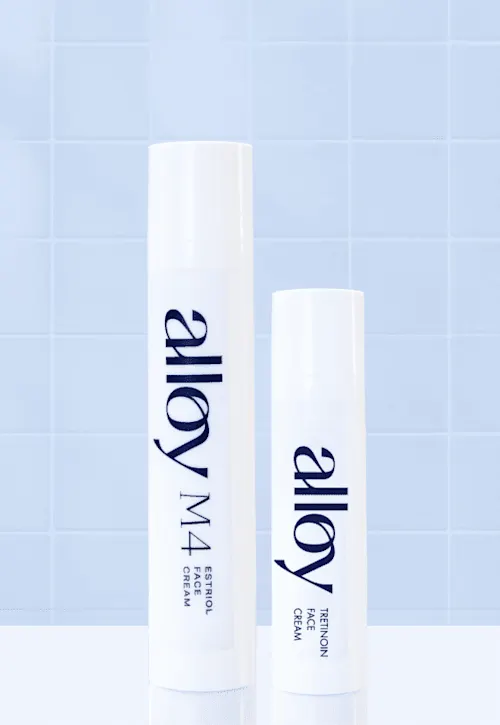
Topical Solutions: Topical retinoids, such as tretinoin, can promote cell turnover, unclog pores, and reduce inflammation. These treatments must be used carefully in menopausal skin, which is often drier and more sensitive.
Hormone-Based Treatment: Oral contraceptives containing low-dose estrogen and progestin may help reduce acne by increasing sex hormone–binding globulin (SHBG), which lowers circulating testosterone activity. Hormone-based treatment may also improve other perimenopausal symptoms.
Frequently Asked Questions About Menopausal Acne
Why am I getting acne now after years of clear skin? Breakouts occur due to a shift in the ratio of estrogen to testosterone. As estrogen drops during menopause, the remaining testosterone has a more pronounced effect on oil glands, leading to "relative androgen dominance."
How is menopausal acne different from teenage acne? While teenage acne often appears on the forehead and nose, menopausal acne typically appears on the lower face, jawline, and chin (the U-zone). It also tends to be deeper and more cystic than adolescent breakouts.
Does diet actually affect menopausal skin? Yes. High-glycemic foods like refined sugars and carbs, as well as dairy products like skim milk, have been linked to increased acne flares in some individuals.
Can Hormone Replacement Therapy (HRT) help with acne? In many cases, yes. Treatments that balance hormone levels, such as low-dose estrogen therapies, can help reduce the testosterone activity that causes excess oil and clogged pores.
Related Alloy Health Posts:
It's not puberty, it's perimenopause.
Dear Acne, I thought we broke up in high school
If You Suffer From Menopause Symptoms Such as Acne, Alloy Can Help
Alloy can help you manage the many symptoms of menopause, including menopausal acne. Alloy connects you with menopause-trained physicians who understand the hormonal drivers behind midlife skin changes and can create a personalized treatment plan.
Citations
Johns Hopkins Medicine: Hormonal Acne and Menopause Treatment
View sourceAmerican Academy of Dermatology Association: Skin Care During Menopause
View sourceCaring For Your Skin In Menopause.” American Academy of Dermatology Association.
View sourceJillian Kubala, MS, RD. “The Best Diet and Supplements for Acne Vulgaris (Hormonal Acne).” Healthline.
View sourceKristeen Cherney. “Hormonal Acne: Traditional Treatments, Natural Remedies, and More.” Healthline.
View sourceNiti Khunger and Krati Mehrotra. “Menopausal Acne – Challenges And Solutions.” International Journal of Women’s Health.
View source“Sleep Problems and Menopause: What Can I Do?” National Institute of Health.
View sourceWebMD Editorial Contributors. “Top Foods High in Vitamin C.” Webmd.
View source
Subscribe
Go ahead, you deserve to
feel fantastic
By subscribing you agree to our Terms of Service & Privacy Policy.