












How does stimulating estrogen receptors in the skin translate biologically into cosmetic improvements?
Stimulating estrogen receptors in the skin works in a pretty elegant way. Your skin is full of estrogen receptors, especially ER beta receptors, which sit on fibroblasts. Fibroblasts are the cells that make collagen, elastin, and hyaluronic acid, which are the structural and moisture‑holding parts of healthy, bouncy skin.
When estrogen declines in perimenopause and menopause, those receptors get far fewer signals. Fibroblasts slow down and start making thinner, weaker collagen. That is why skin becomes drier, less elastic, and more wrinkle prone, and why up to 30 percent of dermal collagen can disappear in the first five years after menopause.
Putting estrogen directly on the skin, like with topical estriol, gives those ER beta receptors a local signal again. This reactivates fibroblasts so they can produce more collagen, reorganize elastin, and increase natural hydration molecules like hyaluronic acid. Over weeks, that translates into firmer, plumper, better hydrated skin with improved texture and fewer visible wrinkles. This is all local to the skin and, as the studies we share at Alloy show, does not raise systemic estrogen levels.
If you prefer to hear it explained simply, this chapter from our YouTube video walks through how estrogen receptors in the skin respond to topical estriol: Role of Estrogen and Estriol in Skin Health.
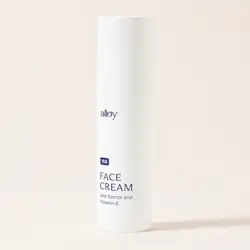
If you want to dig deeper into how we use this science in our skincare, you can explore our prescription M4 Face Cream here: M4 Face Cream Rx.

M4 Face Cream Rx
Estriol
$150.00
This answer was created using the following resources:
Why Your Skin Changes in Perimenopause and Menopause - Role of Estrogen and Estriol in Skin Health
What Menopause Does to Your Skin & How to Fix It | Dr. Corinne Menn - Estrogen Therapy for Skin
The Important Role Estrogen Plays in Skin Health - Estrogen’s Impact on Skin
The Science Behind Topical Estrogen: Doctors Review M4 Cream - Topical Estrogen for Skin
A New Approach to Aging with Alloy - Estrogen and Skin Health
The First and Only Eye Cream with Estriol | Skincare Innovation