















What practical steps should be taken if melasma appears after starting topical estrogen?
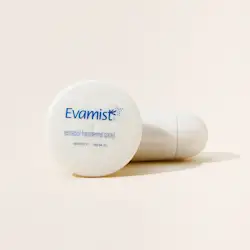
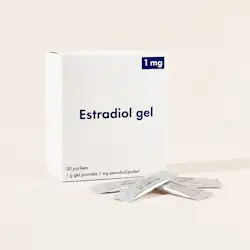
If melasma shows up after starting topical estrogen, try to think of it as something you can manage step by step instead of a signal that you have to give up on it entirely. Dr. Ellen Gendler explains that melasma triggered by topical estrogen is very uncommon, and when it does happen, it’s usually in people who’ve had it before. But if you notice new or darker patches after starting a cream like M4, here’s the practical approach dermatologists recommend.
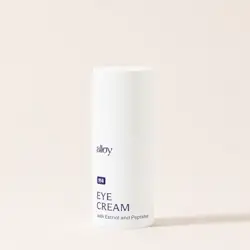
The simplest first step is to pause the estrogen on the areas where the pigment appeared. You don’t have to stop altogether. Many women switch to using it only on areas that do not tend to get melasma, like under the eyes or the neck. Dr. Gendler specifically notes that she has never seen melasma in those spots.
Once you’ve stopped using it on the affected area, treat the melasma the same way you would if it appeared for any other reason. That might mean leaning on things like tretinoin, vitamin C, or other pigment‑targeting treatments your dermatologist recommends. Wearing sunscreen every day is essential, because sun exposure is one of the biggest drivers of melasma. If you want to dive deeper, the relevant part of Dr. Gendler’s discussion is here: Melasma and Topical Estrogen.
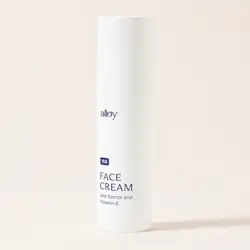
If you do want to continue using a topical estrogen face cream, here at Alloy we usually suggest restarting slowly and on a smaller area first. That gives you a sense of how your skin responds without committing your whole face. You can also consider concentrating the cream where melasma almost never occurs, such as around the eyes or on the neck, and skipping cheeks or upper lip if you’re prone to pigment there.
This answer was created using the following resources: