











What makes lichen sclerosus dangerous, and what is the optimal treatment approach?
Lichen sclerosus can feel like a confusing and scary diagnosis, but once you understand what it is and how it's treated, it gets much more manageable. Here at Alloy, we talk about it often because it’s more common in midlife than people expect, and getting the right care early really matters.
Lichen sclerosus is an autoimmune inflammatory skin condition that affects the vulva. It can cause intense itching, burning, and very thin, fragile skin. Over time, the inflammation can lead to scarring. That scarring is what makes the condition dangerous if it’s not treated, because it can change the vulvar anatomy and, in a small number of cases, progress to vulvar cancer. Dr. Rachel Rubin explains this clearly in her video chapter on lichen sclerosus, where she talks about the risks of scarring and why regular exams matter. You can watch that part here: Lichen sclerosus risks and symptoms.
How it’s treated
The good news is that lichen sclerosus responds very well to the right treatment, especially when it’s started early and continued long-term. Dr. Rubin breaks down the standard approach in another section of that same video: Standard and hormonal treatments.
Treatment has two parts that work together:
1. A high potency topical steroidClobetasol is the usual first line therapy. It quiets the autoimmune inflammation that’s driving the condition. It’s used daily at first, then shifted to a maintenance routine. Consistency really matters because this is a lifelong condition.
2. Local vaginal estrogenThis part often gets missed, but it makes a big difference. The steroid calms inflammation, while estrogen thickens and strengthens the skin so it can stay healthy and resilient. Dr. Rubin emphasizes that you really want both, because the tissue is often thin from both menopause-related hormonal changes and the underlying condition.
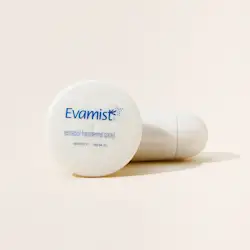
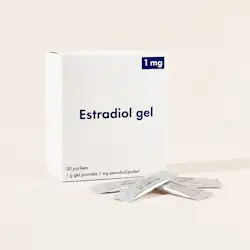
If you’re dealing with irritation, dryness, or pain along with lichen sclerosus, estradiol vaginal cream can be especially helpful. You can read more about how it supports vulvar and vaginal skin here on Alloy’s product page: Estradiol vaginal cream.
Why follow-up is so important
Because of the scarring risk and the small chance of progression to vulvar cancer, you need someone who truly knows what they’re looking at to examine you regularly. Most experts recommend at least once a year, and sooner if symptoms flare.
If you’re dealing with genital itching, pain, or skin changes
Some symptoms of menopause overlap with lichen sclerosus, so getting the right diagnosis matters. Our menopause-trained doctors here at Alloy can help you sort out which parts are hormone related and whether something more is going on. You can start that process with a simple medical assessment: https://secure.myalloy.com/experience?categories[]=mht&sku-ids[]=942fc36f-61c5-4cb9-ba30-8024ba2beb0a&skip-category-select=true&type=intake
This answer was created using the following resources:
Menopause & Sexual Health | Dr. Rachel Rubin - Lichen Sclerosus: Risks and Treatment
Treating Lichen Sclerosis and Hormonal Changes | Dr. Rachel Rubin - Understanding Lichen Sclerosus
Are GLP-1 Weight Loss Medications Safe? | GLP-1 Side Effects
What Linda Evangelista Taught me About Fear, Fat & Quick Fixes