










How do injectable incretin therapies compare with older oral weight-loss medications?
Injectable incretin therapies like semaglutide, tirzepatide, and liraglutide work very differently from older oral weight loss medications.
How they work
Older oral medications generally act on the brain to suppress appetite or affect how nutrients are absorbed. Injectable incretin therapies, which include GLP 1 medications, mimic a natural hormone in your body called glucagon like peptide 1. This hormone helps regulate appetite, digestion, and blood sugar.
By activating GLP 1 receptors, these medications reduce hunger, slow stomach emptying so you feel full longer, and improve insulin response. That means they support weight loss while also improving metabolic health, including blood sugar control. You can read more about the science here: How GLP-1s Support Weight Loss & Metabolic Health
How effective they are
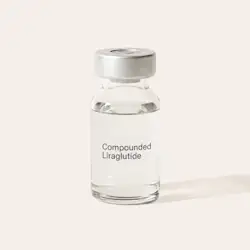
The difference in outcomes is significant. In clinical studies, people taking GLP 1 based medications lost on average about 15 percent of their body weight over 6 to 12 months. With tirzepatide, average weight loss can reach around 20 percent over 12 months. Compounded liraglutide typically leads to 5 to 10 percent weight loss over several months.
At Alloy, we offer:
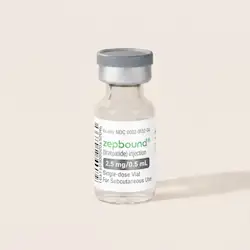
Zepbound, average weight loss around 20 percent in 12 monthsZepbound Experience
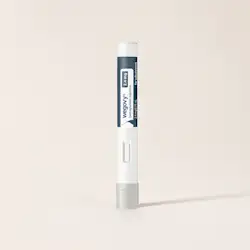
Wegovy, average weight loss around 15 percent in 12 monthsWegovy Experience
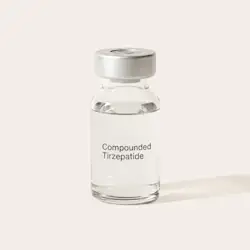
Compounded liraglutide, average 5 to 10 percent over several monthsCompounded Liraglutide Experience
Older oral medications typically lead to more modest weight loss and often don’t address the underlying metabolic changes that happen in midlife, like insulin resistance or shifts in fat distribution.
Safety and long term use
GLP 1 medications have been FDA approved for years, first for diabetes and later for obesity. When prescribed and monitored by a healthcare provider, the National Institutes of Health has concluded they do not present significant safety issues. They can be used long term if they’re effective and well tolerated.
Like any medication, they can have side effects, most commonly nausea or digestive changes, especially early on. We talk more about that here: Are GLP-1 Weight Loss Medications Safe? | GLP-1 Side Effects
The bigger picture
For many midlife women, weight gain is driven by hormonal shifts, loss of muscle mass, and increased insulin resistance. Injectable incretin therapies directly target appetite and blood sugar regulation, which is why they often feel more effective than older pills. And here at Alloy, we can also combine GLP 1s with menopausal hormone therapy when appropriate, which may further improve results: GLP-1 and Menopausal Hormone Therapy: A Powerful Combination If you’re curious whether this approach could be a good fit, you can learn more about our Weight Care program here: Weight Care Program
This answer was created using the following resources: