












How do clinicians individualize the choice between metformin and a GLP-1 for pre-diabetes in menopause?
Choosing between metformin and a GLP-1 medication for prediabetes in menopause is highly individualized. At Alloy, our clinicians look at the full picture, not just a single lab value.
Here are the key factors we consider:
1. Weight and Body Composition
In midlife, hormonal shifts can increase visceral fat and insulin resistance. If weight gain, especially around the abdomen, is a major driver of metabolic risk, a GLP-1 medication may be especially helpful because it:
Reduces appetite and cravings
Promotes fat loss, including stubborn belly fat
Improves insulin response and blood sugar control
On average, women lose about 15 percent of body weight over 6 to 12 months with GLP-1 treatment when combined with lifestyle changes. You can learn more here: How GLP-1s Support Weight Loss & Metabolic Health
If weight is not a significant concern and blood sugar is only mildly elevated, metformin may be considered as a simpler first step.
2. Severity of Insulin Resistance
Menopause is associated with declining estrogen, which reduces insulin sensitivity. If prediabetes appears closely tied to menopausal metabolic shifts, we may also discuss whether Menopausal Hormone Therapy, MHT could help improve body composition and metabolic function.
There are no contraindications to using GLP-1 medications and MHT together, and early data suggests women on both may see enhanced weight loss and metabolic benefits. Learn more about that combination here: GLP-1 and Menopausal Hormone Therapy: A Powerful Combination
3. Cardiometabolic Risk Profile
We evaluate:
Blood pressure
Cholesterol
Family history
Degree of central fat distribution
Overall cardiovascular risk
Because visceral fat is linked to inflammation and cardiometabolic disease, a GLP-1 may be favored when broader risk reduction is a goal.
4. Tolerability and Medical History
GLP-1 medications are well studied and considered safe when prescribed and monitored appropriately. However, they are not recommended in certain situations, such as:
History of pancreatitis
Personal or family history of medullary thyroid cancer
Pregnancy or breastfeeding
Our doctors carefully review your full history before recommending treatment. You can read more about safety here: Are GLP-1 Weight Loss Medications Safe? | GLP-1 Side Effects
5. Patient Preference and Lifestyle
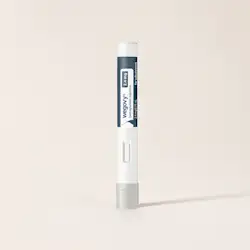
Metformin is an oral daily medication. GLP-1s like Wegovy, semaglutide, are once weekly injections and often produce more significant weight and metabolic improvements.
For many midlife women struggling with both prediabetes and stubborn menopausal weight gain, GLP-1 therapy can address both simultaneously.
You can explore our Weight Care program.
Or learn more about Wegovy specifically.
At Alloy, we do not take a one size fits all approach. We look at hormones, metabolism, symptoms, goals, and long term health risk to create a personalized plan that supports both metabolic health and overall well being in midlife.
This answer was created using the following resources: