Everything You Need to Know About Estriol Cream
7 minute read

Summary
Estriol is a gentle, naturally occurring estrogen that becomes especially relevant during perimenopause and postmenopause, when declining hormone levels impact skin and vaginal health. Unlike stronger estrogens, estriol cream offers targeted relief for symptoms like vaginal dryness and skin thinning, with a favorable safety profile and minimal systemic absorption. Clinical research and expert guidelines support its use for genitourinary syndrome of menopause and estrogen-deficient skin, making estriol cream a valuable option for midlife women seeking effective, evidence-based care.
Understanding Estriol: The Gentle Estrogen
To understand how estriol cream works, it helps to start with the different types of estrogen the body produces.
The body produces three main types of estrogen: Estriol, estradiol, and estrone. Estradiol is the most active form during the reproductive years, while estriol is considered the weakest of the three.
Estriol levels spike during pregnancy, when the placenta produces large amounts of it. At other times of life, it circulates in small amounts and then drops further after menopause as overall estrogen production dwindles. It also binds less strongly to estrogen receptors than other forms of estrogen, so it tends to have more limited effects compared to estradiol.
Because of these differences, estriol is the main ingredient in some skincare menopause treatments, like low-dose estriol creams.
Estriol cream is typically prescribed to target the effects of lower estrogen levels during menopause in the skin, while estradiol cream can be prescribed for vaginal symptoms. Also, since they mainly act locally (meaning directly where they’re applied), they can support vaginal and skin health without impacting the rest of your body.
How Estradiol Cream Supports Vaginal and Vulvar Health
Lots of menopause symptoms are vaginal, including:
Vaginal dryness, itching, and burning
Discomfort during sex
Urinary symptoms, like urgency or frequent urinary tract infections (UTIs)
These symptoms are often grouped under the term genitourinary syndrome of menopause (GSM). They develop during menopause because declining estrogen levels cause the vaginal tissues to become thinner, less elastic, and drier.
Estradiol cream addresses GSM by restoring moisture, elasticity, and vaginal pH. Some research suggests that it also may help lower the risk of recurrent urinary tract infections after menopause.

Estradiol Vaginal Cream
$119.97
Most vaginal estrogen creams come in ultra-low doses so that they work only where they’re applied. In other words, only tiny amounts are absorbed into the bloodstream. This means the treatment doesn’t affect the entire body and comes with fewer side effects than a transdermal or oral version of hormone therapy.
Using estradiol vaginal cream can make everyday life more comfortable, whether it’s just running errands, playing sports, or during intimacy.
Because of all these benefits, it’s often recommended as a first-line treatment for GSM symptoms, and it’s considered super safe for most people.
Estriol Cream for Menopausal Skin: Restoring Hydration and Elasticity
So, we’ve covered the vaginal changes that can come with menopause, and you may have heard of things like hot flashes and mood swings. But what about menopausal skin changes?
When estrogen levels decline during menopause, skin tends to produce less collagen and natural oils, too. This can then lead to:
Dryness
Itchiness
Thinning and crepiness
Less elasticity/suppleness
More fine lines and wrinkles
That’s where topical estriol cream enters the picture. Emerging research suggests it works by supporting collagen production and helping the skin retain moisture. Over time, this could help improve overall texture and elasticity, and maybe even keep itchiness at bay (if it’s caused by dryness and irritation).
Like vaginal estradiol cream, its effects are primarily limited to the part of your body you apply it to.
Some women use it only for targeted treatments on specific areas, while others may choose to fold it into a larger menopause care plan, whether that’s alongside systemic menopause hormone therapy, vaginal estrogen cream, or supportive lifestyle changes.
Are Estriol and Estradiol Creams Safe? What the Research Shows
These creams are considered to be a safe, low-risk option for local menopause symptoms. Because they’re applied directly to the skin or vaginal tissue, depending on the type prescribed, only small amounts enter the bloodstream. This means its effects tend to stay focused on the area where it’s applied rather than affecting the whole body.
Research shows there isn’t an increase in cancer risk when estrogen cream is used at low doses for vaginal or topical treatment. It’s even considered a safe option for many women who have or have had certain kinds of cancers that could put them at a higher risk for systemic oral and transdermal HRT options.
It’s still worth noting that some women might experience small and temporary hormonal fluctuations. But these changes usually stay within the normal hormone ranges for their stage of menopause.
How to Use Low-Dose Estrogen Creams: Practical Tips and What to Expect
People typically use estrogen creams in these two ways:
Estradiol for vaginal symptoms: The cream can either be inserted into the vagina with an applicator, or it can be applied to the vulva like any other cream — whichever is more convenient for you. Many women start noticing improvements in their symptoms over the course of a few weeks, with full benefits setting in after a couple of months.
Estriol for skin concerns: Estriol cream can be applied with your fingers to areas such as the face, neck, or wherever you’re experiencing dryness or thinning. While research on the effectiveness of topical estrogen is still underway, many women see gradual improvements in hydration and texture over time.
For both vaginal and skin uses, being consistent with your routine is key to reaping the benefits of treatment. Most plans start with a regular application schedule that might gradually shift to a maintenance routine once your symptoms improve. Your healthcare provider will walk you through the appropriate dose and how frequently to apply it based on your symptoms and goals.
Still, if you notice unexpected side effects or have questions about how it’s working, a menopause-trained clinician can help you figure out if you should adjust your plan. This could include changing doses, frequency of application, or even chatting through other options. And, while many women find relief with their local systems using estriol and estradiol cream, others use it on top of systemic hormone therapy.
Estriol Cream vs. Estradiol and Other Hormone Therapy Options
Estriol cream and estradiol treatments are both forms of estrogen therapy, and both can come in cream form, but they’re prescribed for different purposes. The biggest difference is that estriol is a weaker form of estrogen and is most often used for local symptoms like skin irritation and changes, without being absorbed into the bloodstream.
Estradiol vaginal cream is also a lower-dose form of estrogen that’s used for vaginal symptoms. It’s also minimally absorbed into the bloodstream.
That said, estradiol is also commonly used in systemic hormone therapy to treat broader menopause symptoms affecting your whole body. This can include anything from hot flashes, night sweats, sleep issues, and to protect bone health.
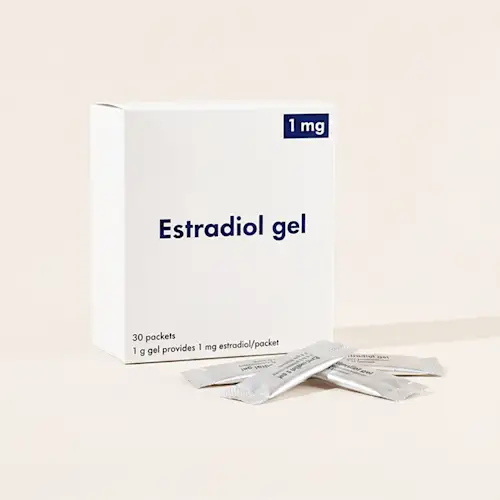
Estradiol Gel
$69.99 /mo
Systemic therapies can come in a few forms, including pills, patches, gels, and sprays that circulate throughout the body.
In many cases, local creams can be used alongside other hormone therapies. For example, a woman using systemic estradiol for hot flashes may also use a local estrogen treatment to address vaginal symptoms that aren’t fully relieved by systemic therapy alone.
The right approach depends on a person’s specific symptoms, medical history, and treatment goals. A healthcare provider can help determine whether estriol, estradiol, or another form of hormone therapy is the most appropriate option for you.
Combining Estriol Cream with Skincare and Other Treatments
Because hormonal changes affect collagen, hydration, and skin thickness, many women see the most benefits from combining estriol cream with other skincare ingredients.
Here are some common skincare actives to look out for and consider using alongside estriol cream:
Retinoids, such as tretinoin, help stimulate collagen and improve cell turnover.
Antioxidants help protect the skin from environmental damage — think vitamin A and vitamin C.
Peptides may also support skin structure by signaling the production of collagen and other proteins.
Hyaluronic acid can support overall hydration.
Daily sunscreen protects against sun damage.
Using products with these ingredients on top of an estriol cream can be especially helpful because they all address different aspects of skin health. As with any skincare or hormone therapy routine, it’s a good call to work with a healthcare provider who can help tailor a plan that fits your skin concerns, symptoms, and overall health goals.
When to Talk to Your Provider About Estriol and Estradiol Creams
Persistent vaginal dryness, irritation, discomfort during sex, or ongoing skin dryness and thinning are all common signs of menopause. It’s worth bringing up your symptoms as soon as you notice them interfering with comfort, intimacy, or daily life.
Both estriol and estradiol creams can be great treatment options to manage local symptoms without significantly increasing hormone levels throughout the body. A provider can help you decide whether they make sense for your situation and how they should fit into your plan.
Starting the conversation can be the first step toward finding relief and feeling more comfortable in your body and skin again.
Frequently Asked Questions
What is the difference between estriol and estradiol creams?
The primary difference lies in their strength and where they are used. Estriol is considered a "gentle" or weaker form of estrogen; it is typically used in topical face creams to improve skin hydration, elasticity, and collagen production without significant absorption into the bloodstream. Estradiol is a more active form of estrogen and is the standard ingredient in vaginal creams used to treat genitourinary syndrome of menopause (GSM). While both act locally, estradiol is more effective for restoring vaginal tissue health, while estriol is ideal for sensitive skin concerns.
How does estradiol cream help with vaginal dryness and urinary issues?
During menopause, declining estrogen causes vaginal tissues to become thin, dry, and less elastic, a condition known as GSM. Estradiol vaginal cream works locally to restore moisture, improve tissue elasticity, and balance vaginal pH. Beyond relieving itching and discomfort during sex, research suggests that localized estradiol can also lower the risk of recurrent urinary tract infections (UTIs) and help manage urinary urgency by strengthening the surrounding tissues.
Are localized estrogen creams safe for women worried about systemic hormones?
Yes, localized estriol and estradiol creams are considered very safe and low-risk. Because they are applied directly to the skin or vaginal tissue, only tiny amounts enter the bloodstream, meaning they do not affect the entire body like oral or transdermal hormone replacement therapy (HRT). Research indicates there is no increase in cancer risk when used at these low doses, making them a viable option even for many women who may not be candidates for systemic hormone therapy.
Related Content
https://www.myalloy.com/blog/what-is-estriol-and-what-is-estrogens-role-in-skin-health
https://www.myalloy.com/blog/why-topical-estrogen-should-be-part-of-your-skincare
https://www.myalloy.com/blog/menopause-treatment-vaginal-estrogen-cream
https://www.myalloy.com/blog/why-does-menopause-make-sex-hurt
https://www.myalloy.com/blog/expert-tips-for-menopause-skin-care-during-perimenopause-and-menopause
Citations
A Kolokythas, C Betschart, D Wunder, H Janka, P Stute. Impact of vaginal estriol on serum hormone levels: a systematic review. Climacteric 2024;27(2):137-153. PMID:38164918.
View sourceNuno Muiños Fernández, Juan Ignacio Martínez Salamanca, José Ignacio Pardo González de Quevedo, M Pilar Diz Morales, Lourdes Palomo Alameda, Susana Duce Tello, et al.. Efficacy and safety of an ultra-low-dose 0.005 % estriol vaginal gel in the prevention of urinary tract infections in postmenopausal women with genitourinary syndrome of menopause: A randomized double-blind placebo-controlled trial. Maturitas 2024;190:108128. PMID:39388913.
View sourceFaustino R Pérez-López, Nancy Phillips, Pedro Vieira-Baptista, Bina Cohen-Sacher, Susana C A V Fialho, Colleen K Stockdale. Management of postmenopausal vulvovaginal atrophy: recommendations of the International Society for the Study of Vulvovaginal Disease. Gynecol Endocrinol 2021;37(8):746-752. PMID:34169794.
View sourceGilbert G G Donders, Kateryna Ruban, Gert Bellen, Svitrigaile Grinceviciene. Pharmacotherapy for the treatment of vaginal atrophy. Expert Opin Pharmacother 2019;20(7):821-835. PMID:30897020.
View sourceA O Mueck, X Ruan, V Prasauskas, P Grob, O Ortmann. Treatment of vaginal atrophy with estriol and lactobacilli combination: a clinical review. Climacteric 2018;21(2):140-147. PMID:29381086.
View sourceFrank Z Stanczyk, Jane L Yang, Herjan J T Coelingh Bennink, Intira Sriprasert, Sharon Winer, Jean-Michel Foidart, et al.. Comparison of estrogens and selective estrogen receptor modulators (SERMs) used for menopausal hormone therapy. Menopause 2025;32(8):730-757. PMID:40742784.
View sourceR E Nappi, L Tiranini, E Martini, D Bosoni, C Cassani, L Cucinella. Different local estrogen therapies for a tailored approach to GSM. Climacteric 2023;26(4):361-366. PMID:37318030.
View sourceEmad S Ali, Cheyenne Mangold, Alan N Peiris. Estriol: emerging clinical benefits. Menopause 2017;24(9):1081-1085. PMID:28375935.
View source
Subscribe
Go ahead, you deserve to
feel fantastic
By subscribing you agree to our Terms of Service & Privacy Policy.