













Why might facial skin not ‘bounce back’ like vaginal tissue with estrogen therapy?
Facial skin may not seem to bounce back the same way because the face is dealing with more than just low estrogen.
At Alloy, our medical content explains that when estrogen drops, facial skin loses collagen, elastin, moisture, thickness, and elasticity. But on top of that, the face also has years of extrinsic damage, especially UV exposure, plus constant movement and tension from smiling, frowning, and talking. That means facial skin is often thinner, drier, and more wrinkled in ways that estrogen can improve, but not always fully undo.
Vaginal tissue and facial skin both have estrogen receptors, so both can respond to estrogen. But facial skin often has a bigger backlog of wear and tear. In menopause, women can lose up to 30% of facial collagen in the first 5 years, and the collagen that remains is thinner and weaker, so it doesn’t spring back as easily.
That said, topical estrogen can still help facial skin. Here at Alloy, we’ve shared that it may improve collagen production, hydration, thickness, firmness, elasticity, and wrinkle depth over time. If you want a deeper explanation, these are the most useful resources: Collagen & estrogen: everything women need to know, What is estrogen-deficient skin & how to treat it, and this video chapter on how hormones affect skin.
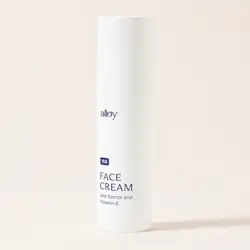
If you're looking at treatment options for facial skin specifically, our M4 Face Cream Rx is designed for estrogen-deficient skin.

M4 Face Cream Rx
Estriol
$150.00
This answer was created using the following resources: