










Why does broader media and clinician endorsement of estrogen on skin matter?
It matters because this isn’t a new idea, it’s an under-discussed one. Dermatology research has supported topical estrogen for skin for years, including studies showing benefits for collagen, thickness, dryness, elasticity, and wrinkle depth. Wider clinician and media endorsement helps that evidence get out of journals and into real conversations, so women are more likely to hear that menopausal skin changes are hormone-related and potentially treatable.
It also matters because estrogen got swept up in a lot of fear after the WHI era. When menopause specialists and dermatologists explain the difference between low-dose topical estrogen for skin and broader concerns about hormone therapy, it helps people make better-informed decisions. In the sources we use here at Alloy, Dr. Ellen Gendler points out that topical estrogen studies are plentiful, many are strong studies, and systemic absorption is very low. She also says it’s worth trusting menopause specialists and dermatologists who know menopause skincare well, instead of random social media takes.
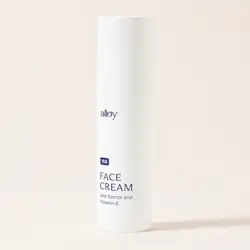
If you want the deeper version, these are good places to start: Dr. Ellen Gendler’s overview of topical estrogen and skincare, this short video chapter on research and effectiveness, and our M4 Face Cream Rx page, which explains the product and links to the independent clinical study.
This answer was created using the following resources: