












Which metabolic screenings and medications can help manage midlife weight gain and insulin resistance?
Midlife weight gain and insulin resistance are incredibly common, especially during perimenopause and menopause. At Alloy, we focus on both metabolic screening and evidence based treatments to help you manage what is really happening beneath the surface.
✅ Metabolic Screenings to Consider
If you are noticing stubborn belly weight or difficulty losing weight despite healthy habits, these screenings can help clarify what is going on:
1. Blood Sugar Testing
Fasting blood glucose
Hemoglobin A1c, shows your average blood sugar over 3 months
Glucose tolerance test, evaluates how your body handles a sugar load Dr. Richa Mittal explains these tests in detail here: Spooked by Menopausal Weight Gain?
2. Insulin Testing
Fasting insulin levels
HOMA IR, insulin resistance index, calculated from glucose and insulin levelsThis is sometimes debated but can help identify early insulin resistance.
3. Body Composition and Metabolic Screening
BMI alone is not enough in midlife. More comprehensive evaluation may include:
Visceral fat measurement
Muscle mass assessment
Screening for prediabetes Dr. Mary Claire Haver discusses metabolic screening and identifying GLP 1 candidates here: Personalizing Menopause Treatment
💊 Medications That Can Help
1. GLP 1 Medications
These are some of the most effective tools we have for midlife weight gain and insulin resistance.
Options available through Alloy’s Weight Care program include:
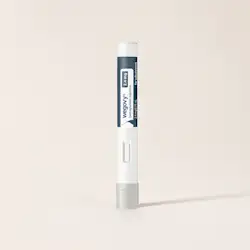
Semaglutide, Wegovy®
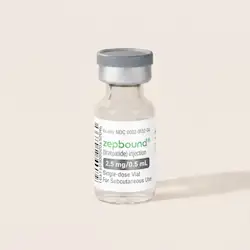
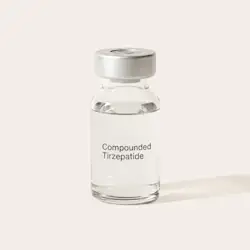
Tirzepatide, Zepbound®
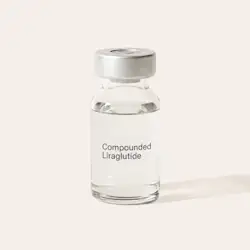
Compounded liraglutide
GLP 1s:
Reduce hunger and cravings
Improve insulin response
Lower blood sugar
Promote fat loss, including visceral belly fat
On average, patients lose about 15 percent of body weight over time when combined with lifestyle changes.
Learn more about how they work here: How GLP-1s Support Weight Loss & Metabolic Health Explore our program: Alloy Weight Care Program
2. Menopausal Hormone Therapy, MHT
MHT does not directly cause weight loss, but it:
Improves fat distribution
Reduces visceral fat accumulation
Helps relieve sleep disruption and hot flashes that interfere with metabolism
Even more powerful, research shows women using MHT plus semaglutide lost 30 percent more weight than those using semaglutide alone. Read more here: GLP-1 and Menopausal Hormone Therapy: A Powerful Combination
Yes, GLP 1s and MHT can safely be used together.
🌿 Why This Matters in Midlife
Hormonal shifts lower estrogen, which affects:
Insulin sensitivity
Fat distribution
Muscle mass
Inflammation
That is why weight gain in midlife is not just about calories in and calories out. A comprehensive metabolic approach is often necessary.
At Alloy, we take a holistic approach that includes:
Physician guided metabolic screening
Hormone therapy when appropriate
GLP 1 medications if you qualify
Ongoing monitoring and support
If you are ready to see if you qualify for medical weight care, you can start here: Start Medical Weight Care
You deserve solutions that match what your body is actually going through in midlife.
This answer was created using the following resources:
Spooked by Menopausal Weight Gain? | Dr. Richa Mittal - Testing for Insulin Resistance
The Midlife Weight Equation: Hormones, GLP-1s & Metabolic Truths | Dr. Taylor Hahn
Personalizing Menopause Treatment | Dr. Mary Claire Haver - Metabolic Health and Screening
GLP-1 and Menopausal Hormone Therapy: A Powerful Combination
Perimenopause Weight Gain - How to Put a Pause on It | Alloy