





















What unifies muscle loss, bone density decline, and fat redistribution in midlife women?
What ties all three together is the hormonal shift of the menopause transition, especially the decline and fluctuation of estrogen.
At Alloy, we talk a lot about how estrogen receptors are found throughout the body, including in muscles, bones, and fat tissue. So when estrogen drops in perimenopause and menopause, you can see a cluster of changes that often show up together, like loss of muscle mass, faster bone density loss, and a shift in where fat is stored, commonly toward the midsection. Dr. Vonda Wright calls this the “musculoskeletal syndrome of menopause,” and she also notes that fat tissue is metabolically active, which is part of why this midlife body composition shift can feel so different than earlier weight changes. You can read the highlights here, and watch the full interview on YouTube: Catching Up With Dr. Vonda Wright | Alloy and YouTube interview with Dr. Vonda Wright
If you want to go deeper on the “bones” side, our overview of bone density loss explains that women lose bone density faster than men largely due to estrogen drops, with the most rapid phase often in the first 5 to 6 years after the final period. It also covers what helps, including that estrogen is FDA-approved for prevention and treatment of osteoporosis: Bone Density Loss Overview
And if the “fat redistribution” piece is what you’re noticing most, this article explains how lower estrogen affects where weight lands (often the belly), and how menopause is also associated with losing muscle and gaining fat: Menopausal Weight Changes Explained | Alloy
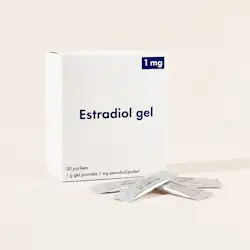
If treatment is part of what you’re exploring, you can see Alloy’s menopause hormone therapy options here: Menopause Hormone Therapy Options and our Weight Care program (including GLP-1 options) here: Weight Care Program
This answer was created using the following resources: