










How does sun exposure interact with declining estrogen to accelerate visible aging?
How they work together
Sun exposure and declining estrogen age skin through different pathways, and together they can make visible aging show up faster.
At Alloy, we talk about this as extrinsic damage plus intrinsic damage. Sun causes extrinsic damage, often called photoaging. Over time, UV exposure contributes to wrinkles, pigmentation, roughness, and age spots. Declining estrogen causes intrinsic changes in the skin, especially during perimenopause and menopause. As estrogen drops, collagen production slows, skin loses thickness, elasticity, and moisture, and it becomes drier, thinner, and more fragile. In the first 5 years of menopause alone, up to 30% of dermal collagen can be lost.
That means sun damage has a weaker skin structure to work on. Skin with less collagen and less hydration doesn’t bounce back as well, so lines, sagging, dullness, and dryness become more noticeable. The Alloy article on estrogen-deficient skin puts it simply: the primary factors driving aging skin in women are UV damage and a lack of estrogen.
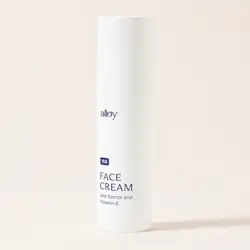
It’s also worth knowing that these two problems don’t respond to exactly the same treatment. In Alloy’s skincare education, topical estrogen is described as helping with collagen, elasticity, and hydration, while retinoids like tretinoin help counteract sun damage and pigmentation. Daily SPF 30 or higher matters a lot here. If you want the skin support side, M4 Face Cream Rx is our topical estriol cream, and tretinoin is often used for sun-related texture and fine lines.
For a quick expert explanation, this short video chapter on aging, sun, smoking, and hormones is very on point.
This answer was created using the following resources: