










What are the non-negotiable components of an effective midlife skincare routine and why?
An effective midlife skincare routine really comes down to a few solid building blocks. Dermatologist Dr. Ellen Gendler calls these her non negotiables, and they show up again and again across the evidence we rely on here at Alloy.
Retinoids are at the top of the list. A prescription strength option like tretinoin speeds up cell turnover, smooths texture, supports collagen, and helps with pigmentation. It’s meant for nighttime only, and it pairs well with sunscreen during the day since it can make skin more sensitive to the sun.
Antioxidants come next. Vitamin C is the classic choice, and it’s one of the few ingredients with decades of strong research behind it. It helps protect against UV related damage and brightens the skin.
DNA repair enzymes are another quiet hero. They were first studied in people with extreme sun sensitivity, and in those studies they reduced precancerous lesions by about 30 percent. They’re gentle, and they can simply be layered into a morning routine.
Daily sunscreen is non negotiable. It protects all the work your other products are doing, and it slows collagen breakdown better than anything else you can put on your face.
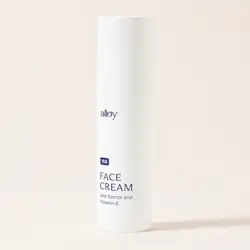
And in midlife, topical estrogen deserves a place in the conversation. Estriol, which is the form used in Alloy’s M4 line, helps rebuild collagen, improve elasticity, and restore hydration as natural estrogen levels decline. It works differently from retinoids, so using them together makes sense. If you want to explore that more, you can take a look at the M4 Face Cream Rx or the other products in the M4 skincare line.
If you prefer to watch an expert explain these pillars, Dr. Gendler walks through her non negotiables in this chapter of our webinar: Core Skincare Essentials.
If you keep these essentials in place retinoid, antioxidant, sunscreen, DNA repair, and optional estriol you have a routine that supports how your skin actually changes during perimenopause and menopause.
This answer was created using the following resources:
Why Your Skin Changes During Midlife and What to Do About It
From the Inside Out: Skin, Hair & Hormones | Dr. Deepti Gandhi - Changing Skincare Needs with Age
The Best Anti-Aging Ingredients: Estriol, Peptides, and Hyaluronic Acid
How to Layer Skincare and Add M4 to Your Routine | Complete Guide
How To Increase Collagen Production After 40 – Science-Backed