














In what situations can hormone replacement therapy be part of a weight management plan?
When hormone therapy can fit into a weight management plan
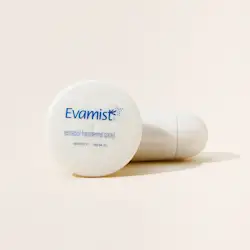
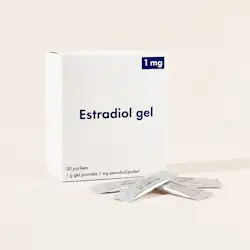
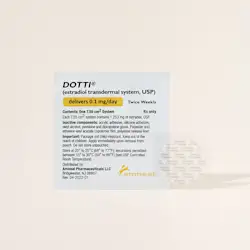
Hormone replacement therapy, often called menopause hormone therapy (MHT), can make sense as part of a weight plan when you’re in perimenopause or menopause and hormonal symptoms are getting in the way of the basics that drive weight change, like consistent movement, solid sleep, and steady eating patterns. At Alloy, we mostly think of MHT as support that helps your body respond better to the other pieces of your plan, not as a standalone weight loss treatment.
MHT isn’t a weight loss drug, but it has been shown to support healthier body fat distribution, and it may help reduce the shift toward abdominal, visceral fat that many women notice in midlife. It can also help when hot flashes, night sweats, sleep disruption, fatigue, or joint pain are making it hard to exercise regularly or stick with nutrition changes, because treating those symptoms often makes the day to day habits more doable. You can read more here: GLP-1 and Menopausal Hormone Therapy: A Powerful Combination
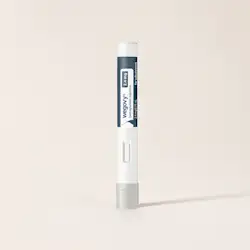
MHT can also be part of the plan when you and your clinician are considering obesity medicine, like GLP-1 medications. There’s early research showing that women using MHT alongside semaglutide had better weight loss results than semaglutide alone, and our clinicians also see a practical benefit, people often have more energy and better sleep when menopausal symptoms are treated, which helps them stay consistent. More on that combination here: GLP-1 and Menopausal Hormone Therapy: A Powerful CombinationIf you’re wondering about safety together, we also have a quick FAQ here: GLP-1 Medication with Menopausal Hormone Therapy FAQ
If you want to explore options with an Alloy clinician, our Weight Care program is here (and it’s designed for midlife, including MHT plus weight meds when appropriate): Alloy Weight Care ProgramYou can also start the assessment here: Weight Health Assessment
If your main question is whether MHT is even a fit for your symptoms, this is a helpful overview: Do You Need Menopause Hormone Therapy?
This answer was created using the following resources: