














How does strength training protect metabolism and long-term health in midlife?
How strength training protects metabolism and long-term health in midlife
At Alloy, we talk about strength training so much in midlife because muscle is one of the biggest drivers of metabolic health, and it naturally declines with age. Starting around 30, women can lose about 3 to 8 percent of muscle mass per decade if they don’t take action, and that decline tends to accelerate after menopause.
From a metabolism standpoint, strength training helps you hang onto, and build, lean muscle. Muscle tissue is metabolically active, so it burns more energy even at rest. That’s why increasing lean mass can help support your basal metabolic rate (BMR). In our Weight Care education we explain it this way: about one pound of muscle uses roughly 6 to 7 calories per day just to maintain itself, compared with about 2 calories per day for a pound of fat.
For long-term health, strength training supports better body composition (a healthier fat-to-muscle ratio), improves insulin sensitivity (which lowers risk for type 2 diabetes and metabolic syndrome), and helps maintain bone density through the stress you put on bones during resistance work, which supports bone remodeling and lowers fracture risk over time. It also pays off in very practical ways, better balance, fewer injuries, and more ease doing real life tasks, like getting up from a chair, carrying groceries, or catching yourself if you trip.
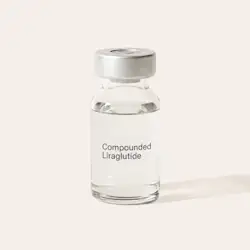
If you’re losing weight, including with GLP-1 medications, strength training matters even more because weight loss often includes some lean muscle loss along with fat. Strength training, paired with adequate protein, helps preserve that muscle so your metabolism and strength don’t take the hit.
If you want to go deeper, these two Alloy reads lay it out clearly and give practical starting points: Tips on How Healthy Habits Boost Weight Loss and Start Your Weight Care Journey with Alloy. And if you’re looking at weight health support (with or without medication), our program overview is here: Alloy Weight Care Program
This answer was created using the following resources: