

















How does reducing added sugar affect menopausal joint pain and metabolism?
Reducing added sugar can positively impact both menopausal joint pain and metabolism, especially during perimenopause and menopause when estrogen levels decline.
Here is how it helps:
1. Improves Insulin Resistance and Metabolism
As estrogen drops, your body becomes less sensitive to insulin, which means:
Blood sugar rises more easily
The pancreas produces more insulin
More carbs and sugars get stored as fat
Hunger and cravings increase
High added sugar intake can worsen this cycle.
At Alloy, we often explain that insulin resistance is a major driver of midlife weight gain, especially around the abdomen. Cutting back on added sugars and refined carbs can:
Help stabilize blood sugar
Reduce fat storage
Improve energy levels
Support healthier metabolic function You can read more about this in our guide: Why Do Women Gain Weight During Menopause? Alloy
We also discuss metabolic health and insulin resistance in midlife here: Navigating Weight Shifts in Perimenopause and Menopause
2. May Reduce Inflammation That Worsens Joint Pain
Menopausal joint pain is strongly linked to declining estrogen. Estrogen has a protective effect on joint tissue, and when it decreases, joints can become:
Stiff
Swollen
Achy
More inflamed
While the primary driver is hormonal, diet matters too. Diets high in added sugar can promote inflammation, which may make joint stiffness and discomfort worse.
At Alloy, we recommend focusing on anti inflammatory foods such as:
Fruits and vegetables
Whole grains
Omega 3 fatty acids
Nuts and seeds
Olive oil and oily fish Learn more here: Menopause Joint Pain: Tips for Treating Symptoms
Joint Pain During Perimenopause and Menopause
3. Indirect Relief Through Weight Reduction
Even modest weight loss can significantly reduce stress on joints, especially the knees and hips. Since excess sugar contributes to weight gain during menopause, reducing it can:
Help prevent midlife weight creep
Reduce joint strain
Improve mobility and comfort
A Bigger Picture Approach
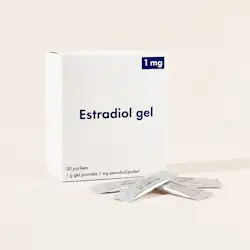
Cutting added sugar is helpful, but it is one piece of the puzzle. Because joint pain is closely tied to estrogen decline, many women experience significant relief with menopause hormone therapy.
At Alloy, we offer evidence based options such as:
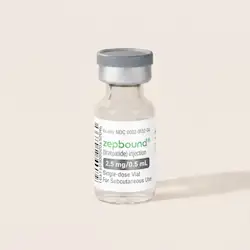
Evamist Estrogen Spray If metabolism and weight are your primary concerns, you can also explore our weight health options here: Alloy Weight Health Options
Reducing added sugar supports better blood sugar control, reduces inflammation, and can ease pressure on joints. Combined with strength training, adequate sleep, and personalized care, it can make a meaningful difference in how you feel during menopause.
This answer was created using the following resources: