










Why is estrogen-based skincare often missing from midlife routines despite its biology?
A lot of women reach midlife thinking they just need a richer moisturizer or a fancier serum, so estrogen rarely enters the conversation. The funny thing is that the biology is actually very clear. Estrogen drives collagen production, hydration, elasticity, and even wound healing, and when it drops in perimenopause and menopause, skin changes fast. Up to 30 percent of dermal collagen can disappear in the first five years after menopause, and many of the classic midlife skin frustrations trace back to that estrogen gap.
So why doesn’t estrogen show up in most skincare routines? Part of it is history. As Dr. Ellen Gendler explains in her conversation with Dr. Corinne Menn, estrogen creams were popular in the early to mid 1900s, but the FDA eventually tightened rules around drug claims, and estrogen quietly disappeared from beauty shelves even though no one said it was unsafe. Then the WHI study in 2002 created a lot of generalized fear around estrogen, and the idea of using it in skincare basically went dormant.
The other part is awareness. Most people just aren’t told that their skin is changing because of hormone loss, not because they suddenly developed “bad skin.” That gap is exactly what we built our M4 line to address at Alloy. If you want to hear the way we describe it in simple terms, the chapter on addressing the estrogen gap in skincare from our short video lays it out clearly. You can watch it here: why your skin changes in midlife.
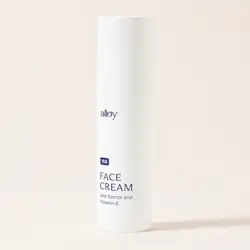
If you’re curious about what estrogen based skincare actually looks like, our prescription M4 Face Cream Rx uses estriol, a gentle form of estrogen that stays in the skin and doesn’t enter the bloodstream. You can read about it here: M4 Face Cream Rx.

M4 Face Cream Rx
Estriol
$150.00
This answer was created using the following resources:
Why Your Skin Changes in Perimenopause and Menopause - Addressing the Estrogen Gap in Skincare
Why Your Skin Changes During Midlife and What to Do About It
From the Inside Out: Skin, Hair & Hormones | Dr. Deepti Gandhi - Skin Changes in Midlife
The Ultimate Menopause Skincare Routine | Dr. Ellen Gendler & Dr. Corinne Menn
The Best Anti-Aging Ingredients: Estriol, Peptides, and Hyaluronic Acid