












How does declining estrogen affect skin structure during and after menopause?
Declining estrogen has a pretty big impact on how skin behaves during perimenopause and after menopause. Estrogen normally helps keep skin thick, hydrated, elastic, and able to repair itself. When levels drop, all of those systems slow down.
What happens under the surface is that fibroblasts, the cells that make collagen, don’t get the estrogen signal they’re used to. Collagen production starts to fall, by about 1 to 1.5 percent each year starting in your early 30s, then much faster around menopause. In the first five years after menopause, women lose about 30 percent of their facial collagen. Elastin declines too, and the skin makes less hyaluronic acid and fewer natural oils. All of this leads to thinner, drier, more fragile skin that wrinkles more easily and doesn’t repair as quickly.
If you want a quick visual explanation of these changes, you might like the Skin Changes in Menopause chapter from our video here: Why Your Skin Changes During Midlife. It walks through why dryness and thinning show up so quickly once estrogen falls.
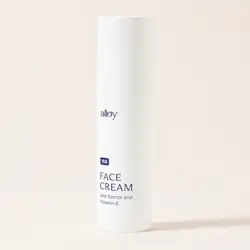
Here at Alloy, we created options that help support this shift directly. Our topical estriol skincare, like the M4 Face Cream Rx, is designed to work on the estrogen receptors in facial skin to help boost collagen, improve elasticity, and restore hydration. It’s a gentle way to address the structural changes happening in skin during this stage of life.
This answer was created using the following resources:
Why Your Skin Changes During Midlife and What to Do About It - Skin Changes in Menopause
Dr. Ellen Gendler on Why You Should Put Estrogen On Your Face - Estrogen and Skin Health
From the Inside Out: Skin, Hair & Hormones | Dr. Deepti Gandhi - Skin Changes in Midlife
How Perimenopause Affects Your Skin: Dryness, Rosacea & Eczema