










Does estrogen inherently cause melasma, or are other factors necessary?
Estrogen on its own doesn’t automatically cause melasma, but it can be one of the factors that contributes to it in people who are already prone. Melasma is driven by pigment cells that get stimulated by hormones, heat, and especially UV exposure. Here at Alloy, our dermatology experts often explain it as a “perfect storm” condition. Hormones are part of the picture, but usually not the entire story.
During pregnancy or when taking high dose birth control pills, estrogen levels are extremely high, which is why melasma is so common in those situations. In midlife, the doses of estrogen used in MHT or in topical estriol skincare are far lower, and the pigment response tends to be very different.
Dr. Corinne Menn talks about this clearly in our Skin Deep webinar. If you want to hear her explain how estrogen interacts with pigment cells and why sensitivity varies from person to person, you can watch this chapter here: Melasma and topical estrogen.
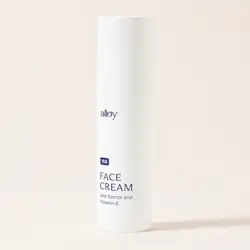
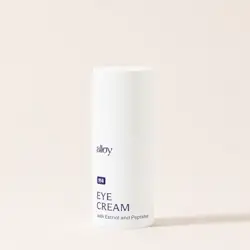
In practice, what we see is that topical estriol like our M4 products rarely triggers melasma. When it does happen, it’s usually in someone who had melasma during pregnancy or while on birth control. UV exposure still plays the biggest role, which is why dermatologists always push sunscreen.
If melasma has been an issue for you in the past but you’re curious about trying something like the M4 Face Cream, many of our menopause clinicians suggest starting in a small area that never pigmented before, seeing how your skin behaves, and then expanding if all looks good.
This answer was created using the following resources: