












Will joint pain from menopause go away?
It can, but it doesn’t always just fade away on its own.
When joint pain is related to menopause, it’s often tied to falling estrogen levels. At Alloy, we see that this can show up as stiffness, aching, or burning pain, often worst in the morning and a bit better once you start moving. Some women do notice it eases over time, but a lot of women need treatment and lifestyle changes to get real relief.
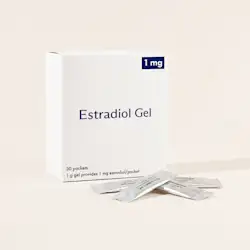
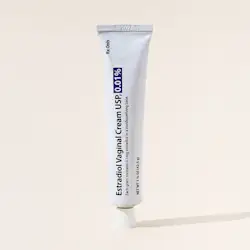
Menopausal hormone therapy, MHT, is considered the gold-standard treatment for menopause-related joint pain because it targets the hormonal cause. In general, women who take estrogen after menopause report significantly less joint pain. Relief isn’t always immediate, though. Dr. Corinne Menn explains that you might notice small improvements in the first few weeks, but joint pain often takes closer to 12 weeks to improve enough to judge whether it’s helping: watch that section here.
It’s also worth knowing that not all joint pain in midlife is from menopause. If you have swelling, redness, warmth, or tenderness around a joint, or the pain keeps going despite treatment, it’s a good idea to get checked for something else, including arthritis.
For a clear overview, these Alloy pages are useful: menopause joint pain and treatment, joint pain symptom guide, and our treatment options page.
This answer was created using the following resources: