















What can trigger heart palpitations during menopause?
The biggest trigger is fluctuating, then falling estrogen. During perimenopause and menopause, lower estrogen can make your heart rhythm feel faster or less steady because it affects the autonomic nervous system, the part that balances fight or flight with rest and digest. Palpitations also often happen alongside hot flashes and night sweats.
They can be set off, or just feel more noticeable, when sleep is poor, stress or anxiety is high, or adrenaline surges are happening. That’s part of why they often show up at night. Insomnia, restless sleep, night sweats, and even lying flat in a quiet room can make the sensation stand out more. Caffeine and alcohol, especially later in the day, can make them worse too, and menopause-related sleep apnea may play a role for some women.
Most menopause-related palpitations are benign, but here at Alloy, we recommend getting them checked early since thyroid problems, arrhythmias, and other heart issues can look similar. Urgent care matters if palpitations come with chest pain or pressure, fainting, severe shortness of breath, or if they’re brand new after age 50.
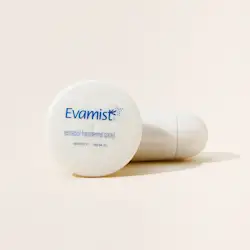
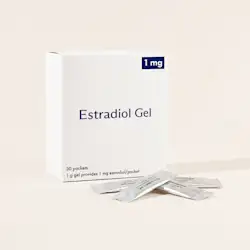
For more detail, our palpitations guide and article on nighttime heart palpitations during menopause are good places to start. Dr. Jayne Morgan also explains the hormone and heart connection in this video chapter on palpitations during perimenopause. If a cardiac workup is normal, menopause hormone therapy options can help some women by stabilizing estrogen.
This answer was created using the following resources:
Can Heart Palpitations During Menopause Indicate Heart Disease? | Dr. Jayne Morgan
Can Perimenopause Cause Heart Palpitations? | Dr. Jayne Morgan
All about Hormone Therapy | Dr. Corinne Menn - Managing Heart Palpitations & MHT
Why am I having heart palpitations at night during menopause?
Menopause: Is it a 'Panic Attack' or a 'Vasomotor Symptom'?"