Why am I having heart palpitations at night during menopause?
5 minute read
Summary
Nighttime heart palpitations are a common but often unsettling experience for women in perimenopause and menopause. Fluctuating estrogen levels, sleep disturbances, and increased anxiety can all contribute to changes in heart rhythm during this life stage. While most palpitations are benign and linked to hormonal changes, they can sometimes signal underlying cardiovascular issues. Recognizing the causes, risk factors, and effective management strategies empowers women to address symptoms confidently and seek appropriate care when needed.
What Are Heart Palpitations and Why Do They Happen at Night?
Heart palpitations in general are the sensation of being unusually aware of one’s own heartbeat. Women who experience palpitations may describe them as fluttering, pounding, skipping, or racing sensations in the chest or throat. During perimenopause and menopause, palpitations are surprisingly common and are estimated to affect up to 50% of women. Even though nighttime palpitations are experienced by half of women during perimenopause or menopause, they are underreported as a menopause-related symptom.
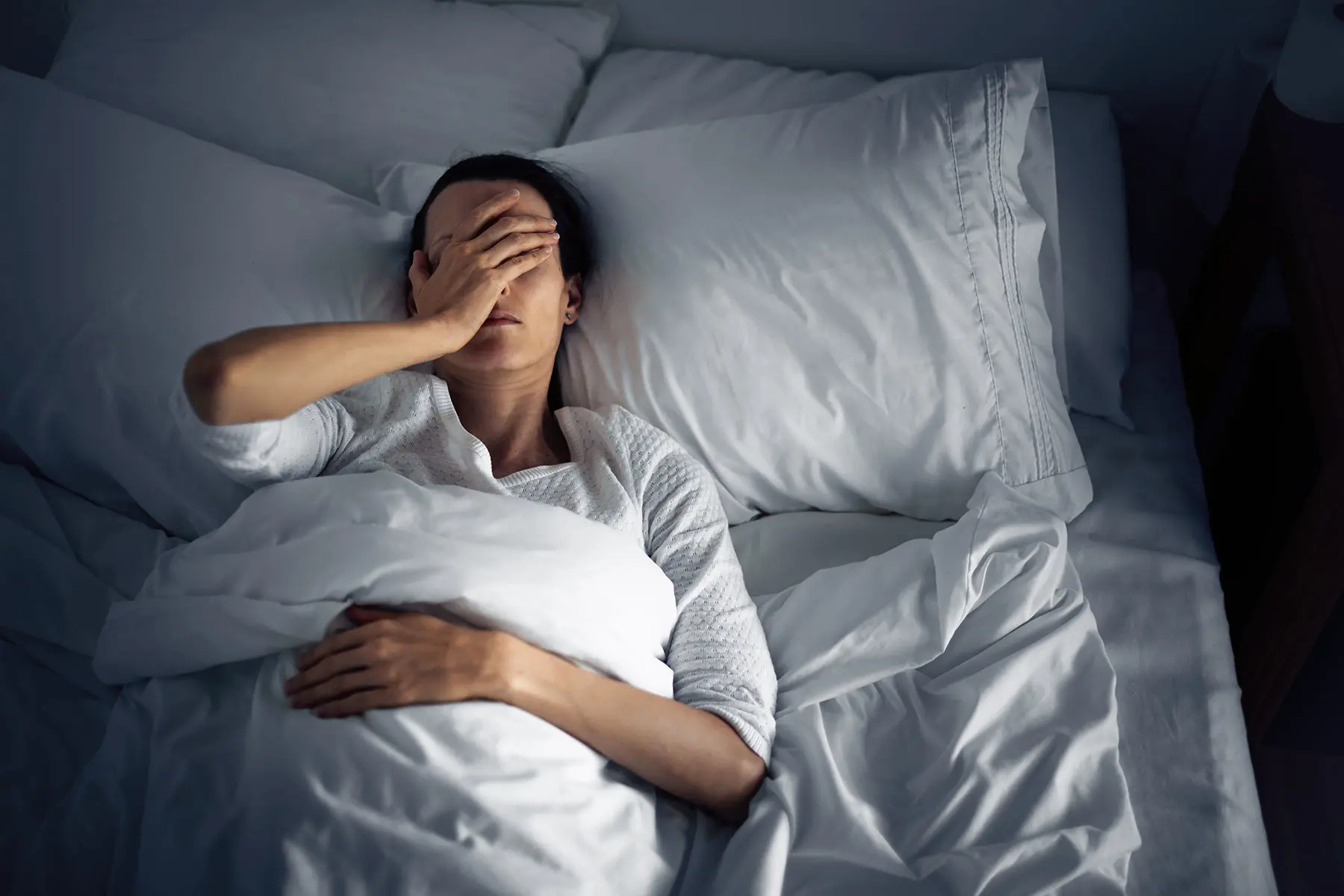
Nighttime heart palpitations are palpitations experienced when resting or lying in bed. Lying flat in a quiet environment can make these subtle changes in rhythm easier to perceive due to minimal distractions, transitions between sleep stages, and changes in the position of the heart relative to the chest wall. In perimenopause and menopause, fluctuating reproductive hormones, insomnia, night sweats, anxiety, and sympathetic nervous system activation all often occur at night and can trigger palpitations.
While these palpitations are often benign, they can still cause significant discomfort and anxiety, particularly when they disrupt sleep or occur repeatedly.
How Hormonal Changes in Perimenopause and Menopause Affect the Heart
Estrogen plays a key role in cardiovascular physiology. It supports healthy blood vessel function, reduces oxidative inflammation and stress on the heart, helps manage healthy cholesterol levels, helps prevent the formation of blood clots, and helps protect the heart from damage. Estrogen also helps to balance the sympathetic (“fight or flight”) and parasympathetic (“rest and digest”) portions of the autonomic nervous system.
If the amount of estrogen in the body is reduced, parasympathetic activity also declines, causing a faster, less stable heart rate. The sympathetic nervous system gets activated, increasing the heart’s sensitivity to adrenaline. This causes blood vessels to stiffen, which increases both blood pressure and blood flow, contributing to perceived palpitations. Any drop in estrogen can cause these changes, but the most significant drops occur during perimenopause and menopause, which accounts for why palpitations are common. However, although most palpitations are benign, the drops in estrogen can cause arrhythmias and increased resting heart rate. In addition to estrogen, progesterone, cortisol, and other neurohormones also influence cardiovascular responses, especially if stress or sleep disruption are present.
Note: It is important for any palpitations to be evaluated by a medical professional to rule out underlying conditions or complications.
Nighttime Triggers: Sleep Disturbances, Anxiety, and Palpitations
Sleep disturbances affect up to 60% of women during perimenopause and menopause and are a major contributor to nighttime palpitations. Conditions such as insomnia, night sweats, and restless sleep all increase autonomic nervous system activity, making heart sensations more noticeable and compounding the effect of decreased estrogen.
Anxiety and stress, both of which commonly increase during menopause, can further increase palpitations by triggering surges in adrenaline. Additionally, estrogen loss may increase the risk of obstructive sleep apnea, which is associated with nighttime heart rhythm disturbances and increased cardiovascular risk.
Addressing sleep quality and emotional wellbeing is often a key step in reducing the frequency and intensity of nighttime palpitations.
Are Nighttime Palpitations a Sign of Heart Disease?
For most women in perimenopause and menopause, palpitations are not a sign of heart disease and are related to a drop in estrogen. However, menopause coincides with a natural rise in cardiovascular risk, making it important to have symptoms evaluated.
Palpitations need immediate medical attention if they occur with:
Chest pain or pressure
Fainting or feelings of faintness
Severe or worsening shortness of breath
New occurrences after age fifty with no prior history
A healthcare provider may recommend diagnostic testing such as an electrocardiogram (ECG), ambulatory heart monitoring, or blood tests to rule out arrhythmias or other conditions. At Alloy, we always recommend early evaluation at the first incidence of heart palpitations.
Lifestyle Changes to Reduce Nighttime Palpitations
Lifestyle modifications are an important part of managing heart palpitations:
Reducing caffeine and alcohol intake in the evening
Participating in regular aerobic exercise
Practicing stress-reduction techniques like deep breathing, meditation, or yoga
Establishing consistent sleep routines
Maintaining a healthy weight and eating a heart-healthy diet
These interventions not only reduce palpitations but overall cardiovascular risk factors.
Treatment Options: Can Menopause Hormone Therapy or Other Medications Help?
If symptoms persist after lifestyle modifications have been implemented, treatment options may be appropriate to consider. When no cardiac or other contraindications exist, Menopause Hormone Therapy (MHT) can reduce palpitations in some women by stabilizing estrogen levels.
Other treatments target specific non-palpitation symptoms or can be used when a patient cannot or prefers not to use hormonal therapy. Some of the symptoms these treatments target are vasomotor symptoms, sleep disturbances, and anxiety; they include SSRIs and newer neurokinin receptor antagonists.
Here at Alloy, we believe shared decision-making will allow women to weigh their risks, benefits, and preferences alongside the guidance of an expert physician. Treatment decisions should always be individualized and consider personal health history, symptoms, and patient preferences. Consultation with a menopause-trained provider ensures safe, personalized care.
When Should I See a Healthcare Provider About Palpitations?
Women should seek medical attention if palpitations are frequent, prolonged, worsening, or accompanied by concerning symptoms. A clinician may recommend:
Cardiac testing to rule out arrhythmias
Blood tests to assess other conditions (metabolic panel, thyroid)
Referral to cardiology when appropriate
Early assessment will provide peace of mind and ensure that treatment meets long-term health goals.
“Palpitations are a common and usually benign symptom of perimenopause and menopause. While evaluation is recommended, many women experience meaningful improvement with lifestyle measures and, in appropriate patients, menopause hormone therapy may reduce both the frequency and impact of palpitations.” — Dr. Amy Hayes
Frequently Asked Questions
Why do I only seem to notice my heart racing when I am trying to sleep?
Nighttime palpitations are often more noticeable because lying flat in a quiet environment removes the distractions of the day. This physical position, combined with transitions between sleep stages and the natural drop in estrogen that triggers the sympathetic nervous system, makes you more sensitive to changes in your heart rhythm.
Can Menopause Hormone Therapy (MHT) help stop heart palpitations?
Yes, for many women, MHT can reduce palpitations by stabilizing estrogen levels. Estrogen helps balance the autonomic nervous system; when levels are stabilized, the "fight or flight" response is less likely to be triggered, which can lead to a more stable heart rate.
What are the "red flag" symptoms that mean I should see a doctor immediately?
While most palpitations during menopause are benign, you should seek immediate medical care if they are accompanied by chest pain or pressure, fainting, severe shortness of breath, or if you are over fifty and experiencing them for the first time.
How does lack of sleep contribute to the feeling of a pounding heart?
Sleep disturbances like insomnia and night sweats increase autonomic nervous system activity. This puts your body in a state of higher alertness, which compounds the effects of low estrogen and makes heart sensations feel much more intense and frequent.
Related Content
Citations
Samuel Yousefzai, Zahir Amin, Huzaifa Faizan, Maheen Ali, Suha Soni, Michael Friedman, et al.. Cardiovascular Health During Menopause Transition: The Role of Traditional and Nontraditional Risk Factors. Methodist Debakey Cardiovasc J 2025;21(4):121-128. PMID:40822367.
View sourceArthur Carpeggiani Weber, Celina Borges Migliavaca, Arthur Lacerda Tavares, Guilherme Da Silva Carvalho, Jullivan Käfer Pasin, Leonardo Krause Valter, et al.. Impact of aerobic exercise on cardiovascular and mental health in postmenopausal women: a systematic review and meta-analysis. Menopause 2025;32(8):779-789. PMID:40742785.
View sourceJames A Simon, Susan R Davis, Angelica Lindén Hirschberg, Ludwig Kiesel, Luciano de Melo Pompei, Jean-Yves Reginster, et al.. State of the art in menopause: current best practice approaches from the IMS World Congress 2024, Melbourne. Climacteric 2025;28(2):98-103. PMID:39928407.
View sourceTao Li, Zachary E Thoen, Jessica M Applebaum, Raouf A Khalil. Menopause-related changes in vascular signaling by sex hormones. J Pharmacol Exp Ther 2025;392(4):103526. PMID:40184819.
View sourceStephanie Young Moss, Angie Lee, James A Simon. Advances in Pharmacotherapy for Menopausal Vasomotor Symptoms. Drugs 2025;85(11):1363-1379. PMID:41028653.
View sourceYao-Yi Kuo, Hao-Yun Chang, Yu-Chen Huang, Che-Wei Liu. Effect of Whey Protein Supplementation in Postmenopausal Women: A Systematic Review and Meta-Analysis. Nutrients 2022;14(19). PMID:36235862.
View sourcePinyi Zhou, Hongmei Li, Hongyan Li, Yan Chen, Yunhui Lv. A possible important regulatory role of estrogen in obstructive sleep apnea hypoventilation syndrome. Front Med (Lausanne) 2025;12:1369393. PMID:40098932.
View source
Subscribe
Go ahead, you deserve to
feel fantastic
By subscribing you agree to our Terms of Service & Privacy Policy.