
















What specific anatomical changes can occur in vulvar lichen sclerosus?
Vulvar lichen sclerosus can change the way the vulvar tissues look and behave over time, and the context you shared highlights several of the most common anatomical changes.
The skin often becomes thin, white, and papery, and that can make it more prone to fissures and bleeding. The architecture of the vulva can shift too. The labia minora may shrink, regress, or even disappear. Pigment changes can show up, either lighter or darker patches. The clitoral hood can thicken and fuse over the clitoris, which can hide the clitoral glans and make arousal or orgasms feel different. All of this comes from chronic inflammation that, if untreated, can also lead to scarring.
If you want to hear this explained clearly by a specialist, Dr. Sameena Rahman gives a helpful overview in the chapter What is Lichen Sclerosus? and you can watch it here: Understanding lichen sclerosus.
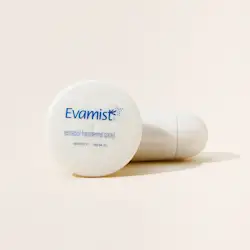
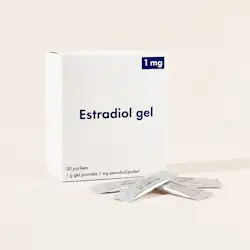
If you ever notice thin white patches, scarring, or changes in the shape of the labia or clitoral hood, it is worth having a clinician take a close look. Here at Alloy we help distinguish lichen sclerosus from changes that come from low estrogen, since those can look similar. For anyone dealing with vulvar itching related to menopause rather than lichen sclerosus, treatments like estradiol vaginal cream can strengthen the tissue and bring relief.

Estradiol Vaginal Cream
$119.97
This answer was created using the following resources: