










How can hormone therapy be tailored for lichen sclerosus and persistent vulvar symptoms?
How tailoring usually works
When lichen sclerosus and menopause-related vulvar symptoms overlap, the main job is figuring out whether the symptoms are coming from low estrogen, lichen sclerosus, or both.
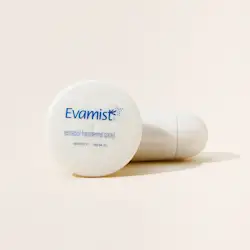
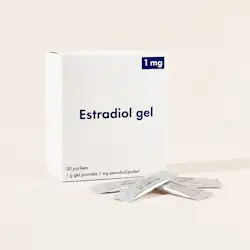
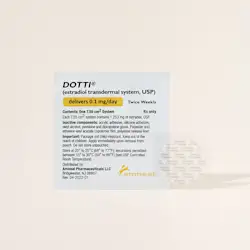
Here at Alloy, if the problem is mostly menopause-related dryness, burning, itching, tearing, painful sex, or frequent UTIs, local estradiol vaginal cream is often the most targeted hormone option. It’s used inside the vagina, and it can also be applied externally to the vulva. If you also have broader menopause symptoms like hot flashes, night sweats, or mood changes, a clinician may lean toward systemic estrogen such as an estradiol pill or patch. If you have a uterus, progesterone is usually added with systemic estrogen to protect the uterine lining.

Estradiol Vaginal Cream
$119.97
With lichen sclerosus, though, estrogen usually isn’t enough on its own. Persistent vulvar itching, especially with white or pale thin skin, fissures, cracking, or bleeding, needs a good vulvar exam. Vaginal estrogen isn’t contraindicated with lichen sclerosus, but it is not the treatment of choice for lichen sclerosus. That usually requires a high-potency prescription steroid cream, with hormone support added when menopausal tissue changes are also part of the picture.
So the tailoring is usually: local vaginal estrogen for GSM-type symptoms, systemic hormone therapy if you also need relief from whole-body menopause symptoms, and a prescription steroid if lichen sclerosus is present. If symptoms keep going despite estrogen, it’s worth checking that the cream is being applied to the right areas and getting an in-person vulvar exam, and some specialists may biopsy if the diagnosis is unclear.
For a clear explanation of when persistent itching points more toward lichen sclerosus than GSM, Dr. Corinne Menn covers that here. Dr. Rachel Rubin also explains why clinicians often treat both the inflammatory part and the hormonal part here.
At Alloy, our menopause-trained doctors can review symptoms and help tailor the hormone part of treatment through our assessment, and our vaginal itching guide is also a helpful overview.
This answer was created using the following resources: