










How might surgical menopause shape expectations for topical estriol’s effects on the skin?
Here at Alloy, I’d set expectations this way: if surgical menopause has left your skin more estrogen-deficient, topical estriol is meant to help with the kinds of changes menopause can bring, like dryness, thinning, loss of elasticity, and rougher texture.
What we can say from our content is that estriol helps support collagen, hydration, firmness, and elasticity in menopausal skin. It’s not a quick fix, though. In our clinical study of M4 Face Cream Rx, meaningful improvements showed up by 12 weeks, and in one personal example from our media library, a 51-year-old woman in surgical menopause said she noticed visible changes after about 2 months, with continued improvement over time.
So the practical expectation is: surgical menopause may make the skin changes feel more obvious, and topical estriol may help rebuild some of what low estrogen has affected, but results tend to build gradually with consistent use.
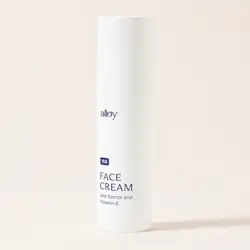
If you want the product details, our M4 Face Cream Rx page is the best place to start. For the science behind it, these are helpful too: The science behind putting estrogen on your face and What is estriol, and what is estrogen’s role in skin health?.

M4 Face Cream Rx
Estriol
$150.00
This answer was created using the following resources: