












How do retinoids and topical estrogen differ in mechanism and results on facial skin?
Retinoids and topical estrogen both help midlife skin look smoother and healthier, but they work in very different ways. Think of them as working on two different layers and two different problems.
Retinoids like tretinoin are vitamin A–based. They work mostly in the epidermis, the surface layer, and a bit in the dermis. They speed up how quickly skin cells turn over and help your skin form new blood vessels. That freshens the texture, helps with pigmentation, and improves roughness and sun damage. Tretinoin can also support collagen but its main focus is repairing the effects of photoaging. There’s usually a short adjustment phase when your skin gets used to it.
Topical estrogen, especially estriol, works differently. It’s not a sun damage treatment. Instead, it targets hormonally driven changes that start in perimenopause and menopause, when natural estrogen drops and skin becomes drier, thinner, and less elastic. Estriol helps rebuild collagen, reorganize elastin, increase hydration, and even support sebum production. It strengthens the deeper structure of the skin so it feels firmer and looks smoother. And here at Alloy, we use estriol because it works locally without affecting blood estrogen levels.
Because these two treatments act on different layers and different processes, they work beautifully together. Retinoids renew the surface. Topical estrogen restores the deeper foundation. If you want to hear Dr. Ellen Gendler explain this difference clearly, the chapter on retinoids versus estrogen is great to watch. Here’s the direct link: Retinoids vs. Topical Estrogen.
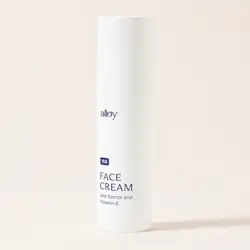
If you’re curious about how our estriol options fit into a routine, you can read more about M4 Face Cream Rx here: M4 Face Cream Rx.
This answer was created using the following resources: