










How does reduced skin vascularization after menopause affect appearance and function?
Reduced skin vascularization after menopause is one of those behind the scenes changes that can have a surprisingly big impact on both how skin looks and how it behaves day to day. As estrogen declines, the tiny blood vessels that nourish the skin become fewer and less robust. Here at Alloy, we talk a lot about collagen loss, but reduced blood flow is another important part of the picture.
When blood flow drops, your skin gets less oxygen and fewer nutrients, which means it cannot repair itself as quickly. That shows up as thinner, more fragile skin that tears and bruises more easily and takes longer to heal. It also means less of that natural healthy glow because good circulation is part of what keeps skin looking vibrant. All of this sits on top of the big shifts in collagen, elastin, and hyaluronic acid that happen during menopause.
Dr. Corinne Menn explains this really clearly in our video library. In the chapter on menopause and skin changes, she talks about how vascularization declines and how that contributes to thinner, less resilient skin. You can watch that chapter here: Menopause and Skin Changes.
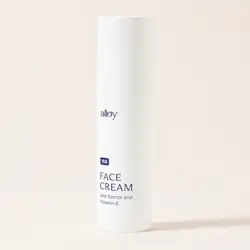
If you are dealing with dry, fragile, or dull skin, topical estriol can help support collagen and moisture levels. Our prescription M4 face cream is formulated with estriol, vitamin E, and glycerin, and you can learn more about it here: M4 estriol face cream.
This answer was created using the following resources: