













What is the ongoing rate of collagen loss after the initial postmenopausal drop, and why does timing matter?
After the big collagen drop that happens right after menopause, the pace slows down but it doesn’t stop. Here at Alloy, we share that up to 30 percent of dermal collagen is lost in the first five years after menopause, and then it continues to decline by about 2.1 percent per year. Several of our dermatology sources echo that same range, often described as one to two percent per year in postmenopause.
The timing part matters because your skin responds differently depending on when you start supporting collagen. In the early postmenopausal years, estrogen on the skin helps prevent further loss. Later on, when collagen stores are already lower, that same estrogen becomes more therapeutic and can help stimulate new collagen. There is a great short explanation of this in our YouTube chapter on estrogen and skin health, which highlights why starting earlier preserves more of what you have, and starting later still offers improvement. You can watch it here: Estrogen and Skin Health.
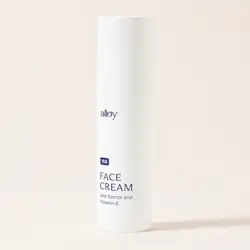
If you’re curious about ways to support collagen directly on the skin, our prescription M4 Face Cream Rx was created with this exact science in mind. You can take a look at it here: M4 Face Cream Rx.

M4 Face Cream Rx
Estriol
$150.00
This answer was created using the following resources:
What Menopause Does to Your Skin & How to Fix It | Dr. Corinne Menn - Menopause and Skin Changes
Why Your Skin Changes in Perimenopause and Menopause - Early Skin Changes Before Menopause
A New Approach to Aging with Alloy - Estrogen and Skin Health
How To Increase Collagen Production After 40 – Science-Backed