

















What structural skin changes typically occur around menopause, and how do they show up day to day?
Around menopause, the main structural changes are pretty consistent: skin makes less collagen and elastin, gets thinner, loses firmness and elasticity, holds less moisture, produces less oil, and has a weaker outer barrier. In plain terms, skin is less plump, less springy, and more easily irritated.
Day to day, that can show up as skin that feels tight, dry, itchy, rough, or a bit crepey, especially after washing. You might notice more fine lines and wrinkles, some sagging, and dark spots looking more obvious, especially if there’s sun damage. A lot of women also find that products they’ve used for years suddenly sting, redness or flushing lingers longer, visible blood vessels or bumps show up with rosacea, or itchy red scaly patches flare like eczema. Here at Alloy, we also note that thinner, drier skin can bruise more easily and may heal more slowly.
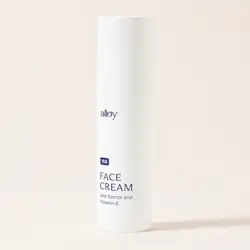
If you want a deeper explainer, our article on perimenopause skin changes lays this out clearly. If dryness is the main issue, our dry skin page is useful too. For skin support options here at Alloy, you can also look at M4 skincare.
This answer was created using the following resources: