











How is lichen sclerosus managed to restore comfort and sexual function?
Usually by treating both the inflammation and the tissue changes that can make the vulva less comfortable and sex less pleasurable.
The standard first-line treatment in our expert content is a high-potency topical steroid, usually clobetasol. It’s used regularly at first, then continued as long-term maintenance, often once or twice a week. Lichen sclerosus can cause scarring, and in rare cases it can be linked with vulvar cancer risk, so getting a proper diagnosis, often including a biopsy, and having regular follow-up matters. A vulvar specialist, gynecologist, urogynecologist, dermatologist, or sex medicine clinician is often the right fit.
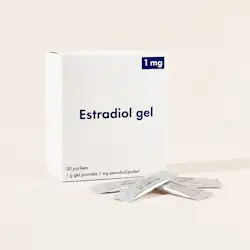
A second piece that’s often missed is hormone support. Lichen sclerosus itself isn’t thought to be caused by low hormones, but menopause-related hormone loss can leave the tissue thinner, drier, and more fragile. In our expert videos, clinicians talk about pairing steroid treatment with local estrogen to improve skin quality, blood flow, lubrication, collagen, and general tissue health. In some cases, topical estrogen, or sometimes estrogen plus testosterone, is used around the vulva and clitoris. If orgasm has changed or sensation is reduced, a careful exam is important because clitoral atrophy, clitoral phimosis, or adhesions may need targeted treatment, and severe adhesions can sometimes need a procedure.
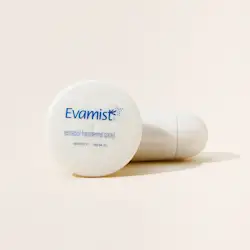
Here at Alloy, our estradiol vaginal cream can help support the hormonal side of vulvar and vaginal tissue health, but it doesn’t replace the steroid treatment lichen sclerosus usually needs.
Two good expert explainers are Dr. Rachel Rubin on lichen sclerosus and vulvar conditions and Dr. Kelly Casperson on lichen sclerosus diagnosis and treatment.
This answer was created using the following resources: