










Is topical estriol expected to cause systemic hormonal effects?
Topical estriol isn’t expected to cause systemic hormonal effects. That’s one of the big reasons we use it here at Alloy for skin care.
The research we rely on, along with what dermatologists and menopause specialists see in practice, shows that when estriol is applied to the skin in low doses it stays local. It works on the estrogen receptors in the skin itself, helping with collagen, elasticity, and hydration, but it doesn’t meaningfully get into the bloodstream or raise serum estrogen levels. Our own clinical testing on the M4 products found the same thing.
If you like hearing experts talk through this, Dr. Corinne Menn explains it clearly in our webinar. In the Topical Estrogen Safety chapter she talks about how products like the M4 Face Cream stay local to the skin and don’t enter the bloodstream. You can watch that chapter here: Topical Estrogen Safety.
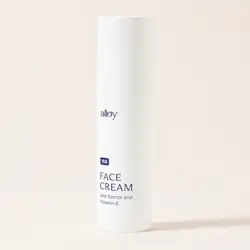
If you want to explore the products that use topical estriol, you can take a look at the M4 Face Cream Rx page: M4 Face Cream Rx.

M4 Face Cream Rx
Estriol
$150.00
This answer was created using the following resources:
Why Estriol + Tretinoin Make a Great Team - Topical Estrogen Effects
A New Approach to Aging with Alloy - Topical Estrogen Safety
When’s the Best Time to Start Hormone Therapy? | Dr. Sharon Malone - Systemic vs. Topical Estrogen
From the Inside Out: Skin, Hair & Hormones | Dr. Deepti Gandhi - Topical Estriol for Skin
Why Your Skin Changes During Midlife and What to Do About It - Hormone Therapy and Topical Estrogens