










How can menopausal skin and ear symptoms be managed?
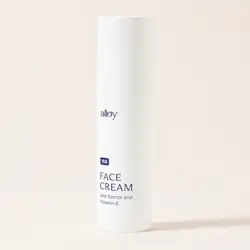
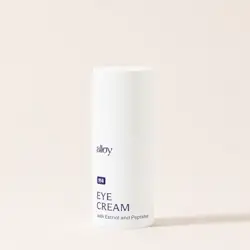
Falling estrogen can affect both skin and ears during menopause. For skin, the basics help a lot: moisturize regularly, use lukewarm instead of hot showers, switch to gentle fragrance-free cleansers, wear SPF 30 daily, stay hydrated, and eat foods rich in antioxidants and healthy fats. If your skin feels itchy, dry, or more sensitive, ingredients like hyaluronic acid, ceramides, oatmeal, vitamin C, or estriol can help. Here at Alloy, our M4 Face Cream Rx is a topical estriol cream made for estrogen-deficient facial skin, and it can be used with or without MHT. Our dry, itchy skin guide has a good practical rundown.

M4 Face Cream Rx
Estriol
$150.00
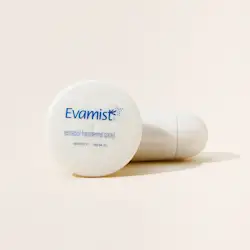
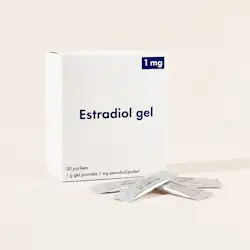
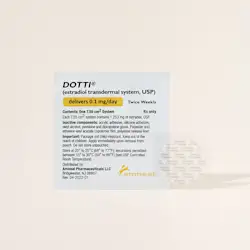
Ear symptoms can be menopause-related too. In our menopause content, low estrogen is linked with tinnitus and hearing changes, and Dr. Sharon Malone says itchy inner ears can be a perimenopause symptom, and that MHT can help. If skin and ear symptoms are happening along with hot flashes, sleep problems, or mood changes, an Alloy doctor can review whether systemic MHT like estradiol pills, patches, gel, or spray makes sense. If the skin itching is persistent or unusual, it should also be checked for another cause.
This answer was created using the following resources: