











Why does sex drive decrease during menopause?
Sex drive often decreases during menopause because several things change at once. Estrogen and testosterone levels drop, and that can make it harder to get aroused. Lower estrogen also affects the vaginal and vulvar tissues, which can lead to dryness, less natural lubrication, lower blood flow and sensation, and pain with sex. When sex starts to feel uncomfortable, desire often drops too.
Menopause symptoms can add to it. Hot flashes, night sweats, poor sleep, fatigue, weight changes, anxiety, depression, and stress can all make the brain less interested in sex. At Alloy, we also talk about how chronic stress can push the brain into more of a survival mode, where sexual desire gets pushed down the priority list. Some women also notice a shift to what’s called receptive desire, meaning they may not think about or initiate sex as much, but can still feel interested once intimacy begins.
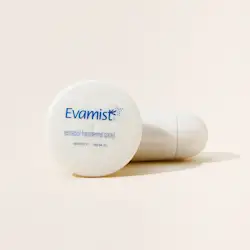
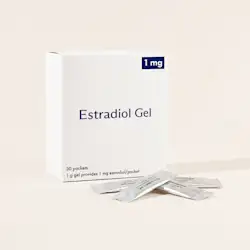
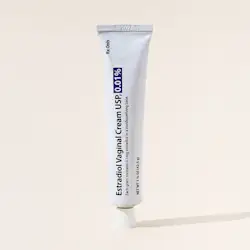
It’s common. About 80% of women report some decline in sexual desire during menopause. If dryness or painful sex is part of the problem, estradiol vaginal cream may help restore lubrication and tissue health, and O-mazing cream may help with arousal and sensation. If broader menopause symptoms are feeding into it, our menopause treatment options can help address things like hot flashes and sleep disruption too. For a quick overview, this low libido page is helpful, and this deeper article on libido, menopause, and stress goes into more detail.

O-mazing
$89.97
This answer was created using the following resources: