










When should low libido during menopause be treated?
Low libido during menopause is worth treating when it’s bothering you, affecting your relationship, or making sex uncomfortable or unappealing. Here at Alloy, we think of low desire as something to address when it’s causing distress, not just because libido has changed.
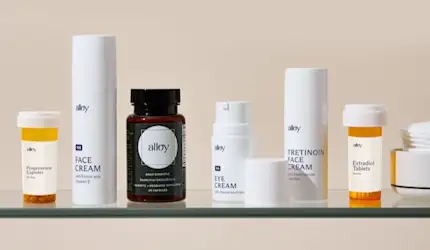
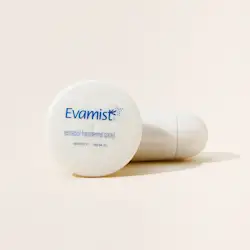
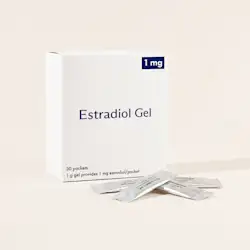
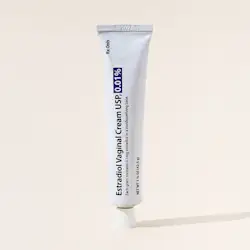
A lot of the time, the first step isn’t a libido drug, it’s treating the things that commonly shut desire down during menopause, like vaginal dryness, pain with sex, hot flashes, night sweats, poor sleep, stress, mood symptoms, or medication side effects. When those are treated, sexual interest often improves too. If dryness or pain is part of it, estradiol vaginal cream can help restore tissue health, and O-mazing cream may help with arousal and orgasm.

Estradiol Vaginal Cream
$119.97
If low desire lasts more than 6 months, causes significant personal distress, and there isn’t a clear outside cause, it may fit HSDD, hypoactive sexual desire disorder. That’s usually the point where a sexual health specialist should evaluate you for more targeted treatment. Alloy physicians don’t prescribe medications specifically for HSDD, but at Alloy, we can help treat menopause symptoms that often feed into low libido through menopause hormone therapy and other symptom-based care.
For a fuller explanation, these are the most useful reads: Why libido drops during menopause and our low libido symptom page.
This answer was created using the following resources: