










How to treat menopause body odor
Menopause body odor usually gets better when you reduce sweating and support the skin or vaginal microbiome that shifts as estrogen falls. The simplest place to start is with gentle cleansing, changing out of sweaty clothes quickly, and switching to breathable natural fabrics like cotton or bamboo. Polyester and other synthetics tend to hold onto sweat and bacteria more. A Mediterranean-style or more plant-forward diet may help indirectly too, because it’s linked with fewer hot flashes and night sweats.
If hot flashes or night sweats are a big part of the problem, menopause hormone therapy can help indirectly by cutting down sweating episodes. It hasn’t been studied as a direct body odor treatment, but at Alloy we do know it can reduce vasomotor symptoms a lot, which may mean less odor from sweat. If that sounds relevant, an online consult is the usual starting point.
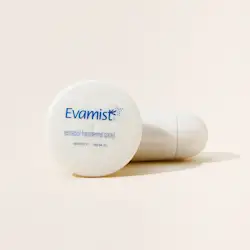
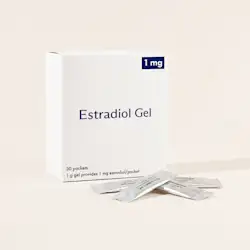
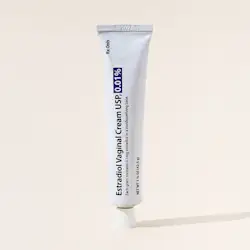
If the odor is more vaginal or “down there,” low estrogen can raise vaginal pH and disrupt the vaginal microbiome, which is part of genitourinary syndrome of menopause. In that situation, local vaginal estrogen is considered the gold standard and can help with odor, dryness, irritation, and recurrent UTIs. At Alloy, Estradiol Vaginal Cream is one option.

Estradiol Vaginal Cream
$119.97
One thing to skip is harsh experimentation. Cleansers with benzoyl peroxide or mandelic acid might sound appealing, but they haven’t been studied for menopausal body odor and can irritate midlife skin. Probiotic or prebiotic deodorants are interesting, but the evidence in menopausal women is still limited.
For the full breakdown, this Alloy article is the most helpful: Why does menopause change body odor? Causes and solutions. If the smell is strong and comes with unusual discharge, burning, irritation, or bleeding, it should be checked by a clinician.
This answer was created using the following resources: