












How is low libido evaluated during menopause?
How it's usually evaluated
Low libido during menopause is usually evaluated with a detailed history, not a single hormone test. A clinician will want to know when the change started, whether it bothers you, and whether desire is absent altogether or has shifted into a more responsive pattern, where you may not initiate sex but can still feel aroused once intimacy starts.
They’ll also look for common contributors that show up during menopause, like hot flashes, night sweats, poor sleep, fatigue, mood changes, weight changes, vaginal dryness, reduced lubrication, and pain with sex. Medications and health conditions matter too, especially depression, SSRIs, birth control pills, anti-androgens, blood pressure medicines, plus stress, past trauma, and relationship tension.
If dryness, irritation, or penetration pain are part of the picture, the evaluation often points toward genitourinary syndrome of menopause, or GSM, because treating that can make sex more comfortable and sometimes helps desire return. If low desire lasts more than 6 months, causes personal distress, and other causes have been ruled out, a clinician may consider hypoactive sexual desire disorder, or HSDD. Blood testosterone levels alone don’t diagnose HSDD, since serum levels don’t reliably match whether HSDD is present or how severe it is.
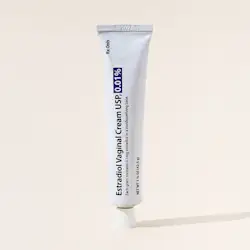
Here at Alloy, our clinicians focus on the menopause symptoms and vaginal discomfort that often drive low libido. If painful dryness seems part of it, estradiol vaginal cream is one option we offer. For a fuller overview, this Alloy guide to low libido during menopause is useful, and our low libido symptom page gives a quick summary. This short video chapter also explains why the evaluation is often multifactorial, looking at hormones, sleep, mood, and vaginal symptoms together: Sudden loss of libido. If you want a personalized review of symptoms, our online assessment is the place to start.
This answer was created using the following resources: