





















Can menopause make ADHD symptoms worse?
Yes, it can, especially during perimenopause and the menopause transition. Estrogen helps regulate dopamine, which affects attention, motivation, and executive function. When estrogen starts fluctuating and then declining, some women with ADHD notice more distractibility, forgetfulness, brain fog, emotional reactivity, or fatigue. Some also find their usual ADHD medication feels less effective from day to day.
It can get confusing because perimenopause can also cause new focus and memory problems that look a lot like ADHD, even in women who’ve never had an ADHD diagnosis. If these changes first show up in midlife and happen alongside things like irregular periods, hot flashes, night sweats, or poor sleep, hormones may be part of the picture. Here at Alloy, we explain this in The Estrogen-Dopamine Connection and Why does perimenopause feel like sudden ADHD?. Dr. Corinne Menn also gives a clear short explanation in this chapter on memory and cognitive changes.
What often helps is tracking symptoms and medication response over time, especially around your cycle or other menopause symptoms, and bringing that to a clinician. If hot flashes or poor sleep are part of what’s dragging down your focus, treating those can help indirectly. Menopause hormone therapy may help some people feel cognitively better, but research on direct cognitive benefits is mixed, and it isn’t prescribed just for ADHD symptoms or brain fog alone. If menopause symptoms are also bothering you, here at Alloy we offer information on estradiol patches and estradiol pills. Sudden confusion, major memory loss, marked behavior changes, or trouble doing familiar tasks should be checked promptly by a clinician.
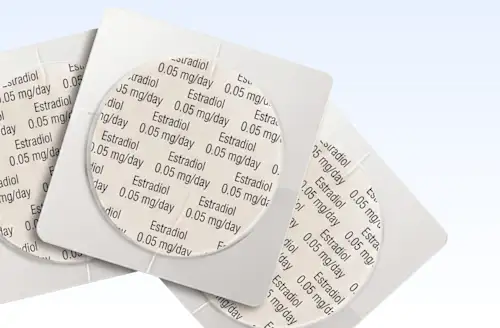
Patch Shortage? Not at Alloy.
This answer was created using the following resources: