6 Signs You Need Hormone Replacement Therapy
9 minute read

Summary
Hormonal changes during perimenopause and menopause can trigger symptoms ranging from hot flashes and sleep disruption to vaginal dryness and mood changes. When these symptoms become frequent, persistent, or disruptive to daily life, menopausal hormone therapy (MHT) may be considered as a treatment option. Evidence shows estrogen therapy is the most effective treatment for vasomotor symptoms and can also help address genitourinary symptoms and bone density loss when started in appropriate candidates. Decisions about starting therapy depend on symptoms, FDA-approved indications, and individual medical and gynecologic health history.
How to Know When Menopause Symptoms May Need Treatment
Perimenopause and menopause is frequently associated with symptoms that are commonly experienced. This is primarily due to fluctuating hormones levels as well as an overall decline in estrogen levels. Each woman has their own individualized symptom pattern, knowing the more commonly experienced may help you signal when to ask for guidance.
Sleep issues
Mood swings or changing moods (increased anxiety or onset of depressive mood)
Fatigue and brain fog - could be attributed to inadequate sleep
Vaginal dryness and painful sex
Being confronted by this list can be intimidating, and looking at each symptom piece by piece can offer guidance.
First of all, for some women, these commonly experienced symptoms may be mild and not long-lasting. If you’re someone who does find them debilitating or they’re interfering with your quality of life to a distracting degree, there are ways to manage them.
Menopause hormone therapy (MHT) is one such option. It works by adding the estrogen your body is no longer producing and balancing out hormone levels. Since lower estrogen is the main symptom driver during perimenopause transition and menopause, MHT can be very effective. Plus, it has some other protective benefits, like reducing the risk of osteoporosis, and preventing GSM.
And because menopause is such a varied and personal experience, treating it should be, too.
Ahead, we’ll go over some of the signs that you might benefit from MHT, or at least opening up that conversation with a healthcare physician, and the best next steps to take.
Sign #1: Hot Flashes or Night Sweats Are Disrupting Your Day or Sleep
The symptoms of menopause are often broken into a few groups. One of the most common (and most disruptive) is the vasomotor group. In fact, 80 percent of women report experiencing them.
The main symptoms in this category are hot flashes and night sweats, which are basically the same thing as hot flashes that happen during sleep. By now, the term hot flash is pretty ubiquitous, but it can be helpful to explain what exactly is happening in your body when one strikes:
Essentially, they cause a sudden sensation of heat that’s overwhelming and can lead to sweating and flushing. They can be really disruptive and distressing. For example, if you have one in the middle of a meeting, you might lose your focus and need to pause what you’re doing to cool down and wait for it to pass. Or, if they happen at night, they could start to interfere with sleep, which then can cause daytime sleepiness, irritability, and brain fog.
There are some steps you can take right away to feel better, like carrying a personal fan and wearing lots of layers in breathable fabrics. But when hot flashes happen more frequently and intensely enough, it’s worth talking to a physician about your options.
MHT is considered the most effective treatment option for vasomotor symptoms. Some women notice major improvements as far as frequency, duration, and intensity — and some even share that hot flashes go away altogether.
Sign #2: Sleep Problems, Brain Fog, or Mood Changes Are Getting Worse
We can probably all agree that sleep is a precious, precious thing. Sleep patterns can vary, and there’s a lot that can get in the way of sleep, including fluctuating and declining estrogen.
Studies show that sleep issues increase during perimenopause and after menopause, with up to 60 percent of women post menopause experiencing a sleep disorder of some kind.
While things like sleep apnea and having a hard time falling asleep are more common as we age, night sweats are one of the biggest culprits of sleep disturbances during perimenopause and into menopause. They can wake you up drenched in a cold sweat, and sometimes that means needing to change your pajamas or even your sheets. And even if your night sweats aren’t that severe, they can still mess with your ability to fall back asleep.
This is important because lack of sleep and poor sleep quality have been linked with:
Low mood, irritability, and anxiety
Weight gain and metabolic challenges
Feeling and experiencing the impact of poor sleep can be a vicious cycle and even be further exacerbated by hormonal changes. This underscores why addressing perimenopause/menopause in all its facets is so important. The good news is that treating the underlying menopause symptoms like night sweats with MHT can also have a positive impact on those secondary symptoms.
Sign #3: Vaginal Dryness, Painful Sex, or Recurrent UTIs
Now, let’s address another cluster of symptoms known as genitourinary syndrome of menopause (GSM), which refers to the vaginal and urinary symptoms that can come with changing estrogen levels.
Simply put, declining estrogen can thin and dry the vaginal tissues. This then leads to things like:
Dryness
Itching
Burning
Painful sex
Frequent urination
Recurring UTIs
Unfortunately, when these go untreated, they can get worse over time. But on a positive note, they can be treated with local estrogen therapy, which is a form of MHT that mainly only acts on the specific tissues it’s applied to. Research shows that it can effectively restore moisture and help support healthier vaginal tissues.
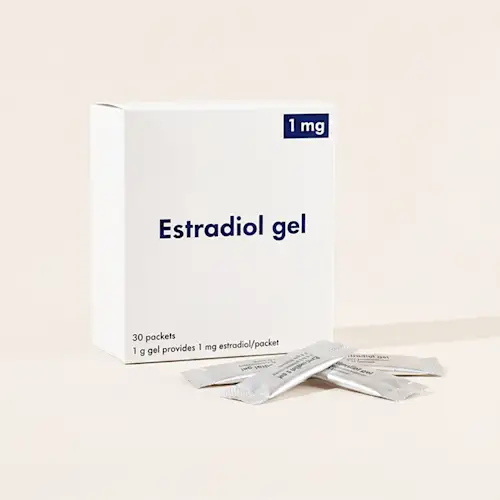
Estradiol Gel
$69.99 /mo
These GSM symptoms are a very common reason women decide to get treatment, and local estrogen therapy can improve day-to-day comfort and quality of life and relationships.
Sign #4: Symptoms Are Affecting Your Daily Life or Relationships
Speaking of daily life and relationships… If your symptoms are starting to interfere with either of those, you’re already taking the right steps just by reading this.
Menopause symptoms are considered “clinically significant,” meaning they might deserve a closer look by a physician or health care practitioner when they get in the way of your work, sleep, relationships, or mental health.
For women without any major risk factors who have moderate to severe symptoms (which usually means that, yes, they’re taking a toll on your daily life and relationships), MHT is often recommended and considered. The main goal is to bring you back to your level of normal functioning and to improve your overall well-being.
“Prompt review and validation of symptoms can impact your health and well-being greatly. Do not delay a discussion with your health care clinician." - Dr. Stephanie Culver
Sign #5: You’re Within 10 Years of Menopause and Symptoms Are Persistent
Another really important factor when considering MHT (beyond symptoms) is timing and age. The earlier you are in the menopause journey when you start treatment, the better, primarily because the risk-benefit profile is more favorable at that point.
Specifically, most clinical guidelines recommend starting MHT before the age of 60 or within about 10 years of when you reach menopause (which is defined as going more than 12 months in a row without menstruating). Not only is it effective for symptom relief, but MHT can also minimize many of the long-term risks linked with estrogen deficiency.
That said, if you don’t fall into that cohort, MHT can still be an option. Even women several years into menopause could still be a candidate for MHT — it really comes down to your preferences and health history. And on the other side of the spectrum, women can still experience symptoms whilst in perimenopause and still have menses.
A menopause-trained clinician can help you make the best choice for your circumstances.
Sign #6: You’re Concerned About Bone Loss After Menopause
Bone strength and density decline after menopause, which happens most dramatically within the first few years after you reach menopause. Though this isn’t a “symptom” per se, bone loss can lead to osteoporosis, a higher risk of fractures, more joint strain and pain, and trouble building and maintaining muscle. Prevention of osteoporosis and reduction of lifetime fracture risk is an FDA-approved indication for MHT use.
While there are some lifestyle strategies to better support bone health, often medical treatment is needed or desired as well as recommended.
When talking to a practitioner about MHT and what it means for you individually, they’ll probably consider bone health within the context of your overall health as well as your other menopause symptoms.
Questions to Bring to a Hormone Therapy Appointment
If you’ve made it this far, you’ve already taken an important step. And if you feel ready to reach out to a healthcare practitioner, that’s another great step towards feeling better.
Now, to help you feel as empowered and prepared as possible going into your conversation, here are some things you can do and questions you can ask a physician about MHT:
Track your symptoms so that when asked about the frequency and severity, you’re ready to answer them. Take note of any possible triggers and how symptoms are impacting your daily life.
Ask whether or not you’d be a possible candidate for MHT based on your overall health profile in addition to the symptoms you’re experiencing, as well as the fda approved indications for treatment.
Have the physician or clinician walk you through the various types and forms of MHT. For example, both systemic MHT (which treats full-body symptoms) and local estrogen therapy (which targets vaginal and urinary symptoms) can be prescribed as creams, gels, and more.
Be prepared to talk about your own health history as well as your family history.
Ask them to explain how your treatment would be monitored over time.
In general, menopause symptoms should include a more holistic treatment approach. This could mean making some lifestyle changes alongside getting medical treatment. Asking about any dietary, sleep, and eating habit suggestions can help you get the most out of treatment.
It’s also worth flagging that, unlike some other conditions, menopause treatment doesn’t usually require bloodwork. Rather, diagnosis and treatment are usually based on your health profile and symptom patterns.
If you’re ready to get support for any of these menopause symptoms, you can connect with a menopause-trained clinician through Alloy. Getting started is as simple as taking our online assessment.
Frequently Asked Questions
When is the best time to start Menopause Hormone Therapy (MHT)?
Clinical guidelines generally suggest that MHT is most effective and has a more favorable risk-benefit profile when started before the age of 60 or within 10 years of reaching menopause. However, treatment remains an option for those further into menopause or those still in perimenopause, depending on individual health history and preferences.
How can hormone therapy help with symptoms beyond hot flashes?
While MHT is the most effective treatment for hot flashes and night sweats, it also addresses secondary issues like sleep disturbances, brain fog, and mood changes. Additionally, local estrogen therapy can treat Genitourinary Syndrome of Menopause (GSM), which includes vaginal dryness, painful sex, and recurring UTIs, while systemic therapy helps prevent bone loss and osteoporosis.
Do I need bloodwork to begin menopause treatment?
Generally, menopause treatment does not require bloodwork. Diagnosis and treatment plans are typically based on your specific symptom patterns, health profile, and medical history rather than laboratory tests.
References
Carlson KA, et al. (2024). Genitourinary syndrome of menopause. https://www.ncbi.nlm.nih.gov/books/NBK559297/
Crandall CA, et al. (2023). Management of menopausal symptoms. https://jamanetwork.com/journals/jama/article-abstract/2801054
Duralde ER, et al. (2023). Management of perimenopausal and menopausal symptoms. https://pubmed.ncbi.nlm.nih.gov/37553173/
Flores VA, et al. (2021). Hormone therapy in menopause: Concepts, controversies, and approach to treatment. https://academic.oup.com/edrv/article/42/6/720/6226912
Karlamangla AR, et al. (2019). Bone health during the menopause transition and beyond. https://pmc.ncbi.nlm.nih.gov/articles/PMC6226267/
Manson JO, et al. (2024). The Women’s Health Initiative randomized trials and clinical practice. https://jamanetwork.com/journals/jama/article-abstract/2818206
Nappi RO, et al. (2021). Global cross-sectional survey of women with vasomotor symptoms associated with menopause: prevalence and quality of life burden. https://pmc.ncbi.nlm.nih.gov/articles/PMC8746897/
Peacock KI, et al. (2023). Menopause. https://www.ncbi.nlm.nih.gov/books/NBK507826/
Santoro NA, et al. (2020). The menopause transition: Signs, symptoms, and management options. https://academic.oup.com/jcem/article/106/1/1/5937009
Tandon VI, et al. (2022). Menopause and sleep disorders. https://pmc.ncbi.nlm.nih.gov/articles/PMC9190958/
The North American Menopause Society. (2022). The 2022 hormone therapy position statement of The North American Menopause Society. https://journals.lww.com/menopausejournal/abstract/2022/07000/the_2022_hormone_therapy_position_statement_of_the.4.aspx
Zhang GU, et al. (2021). Menopausal hormone therapy and women’s health: An umbrella review. https://journals.plos.org/plosmedicine/article?id=10.1371/journal.pmed.1003731
Related Content
Citations
The 2022 hormone therapy position statement of The North American Menopause Society. Menopause 2022;29(7):767-794. PMID:35797481.
View sourceCarolyn J Crandall, Jaya M Mehta, JoAnn E Manson. Management of Menopausal Symptoms: A Review. JAMA 2023;329(5):405-420. PMID:36749328.
View sourceErin R Duralde, Talia H Sobel, JoAnn E Manson. Management of perimenopausal and menopausal symptoms. BMJ 2023;382:e072612. PMID:37553173.
View sourceValerie A Flores, Lubna Pal, JoAnn E Manson. Hormone Therapy in Menopause: Concepts, Controversies, and Approach to Treatment. Endocr Rev 2021;42(6):720-752. PMID:33858012.
View sourceNanette Santoro, Cassandra Roeca, Brandilyn A Peters, Genevieve Neal-Perry. The Menopause Transition: Signs, Symptoms, and Management Options. J Clin Endocrinol Metab 2021;106(1):1-15. PMID:33095879.
View sourceGuo-Qiang Zhang, Jin-Liang Chen, Ying Luo, Maya B Mathur, Panagiotis Anagnostis, Ulugbek Nurmatov, et al.. Menopausal hormone therapy and women's health: An umbrella review. PLoS Med 2021;18(8):e1003731. PMID:34339416.
View sourceJoAnn E Manson, Carolyn J Crandall, Jacques E Rossouw, Rowan T Chlebowski, Garnet L Anderson, Marcia L Stefanick, et al.. The Women's Health Initiative Randomized Trials and Clinical Practice: A Review. JAMA 2024;331(20):1748-1760. PMID:38691368.
View source
Subscribe
Go ahead, you deserve to
feel fantastic
By subscribing you agree to our Terms of Service & Privacy Policy.