













ALLOY | BETTERSLEEP
Up in the night, again?
You've tried all the sleep tips, from blackout blinds to 65-degree AC. But if you still find yourself staring at the ceiling, your hormones may be the missing piece.
That’s why BetterSleep is partnering with Alloy, the 100% online health platform that connects you with a perimenopause- and menopause-specialized doctor in hours, for care that gets to the root of restless nights.
New customers, get 20% off your first order with code: BETTERSLEEP20
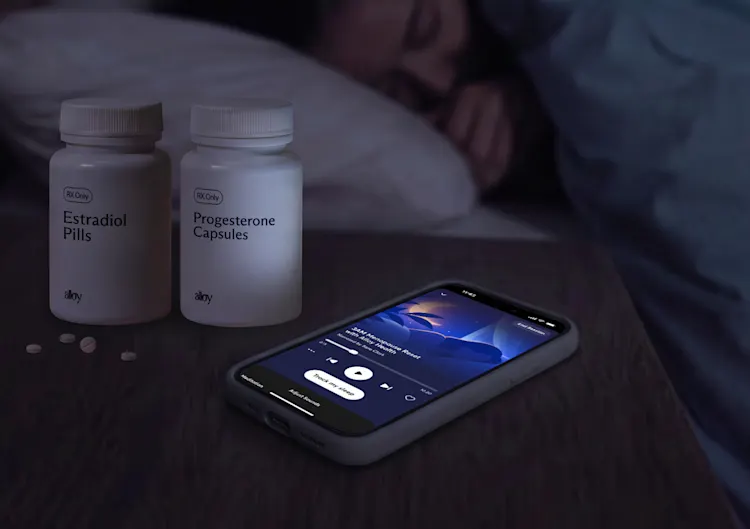
The symptoms that (literally) keep you up at night
As estrogen and progesterone fluctuate, your body’s internal thermostat and sleep-wake cycle can fall out of sync.
The result: hot flashes, night sweats, and racing thoughts that wake you up and keep you up. It's normal. And treatable.
Personalized treatment for the hormonal root cause
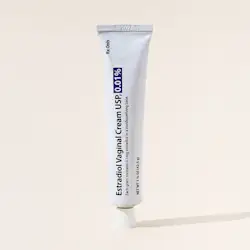
From hot flashes and night sweats to racing thoughts and anxiety, many of the symptoms behind sleepless nights are linked to hormone changes in perimenopause and menopause. That's why Hormone Replacement Therapy (HRT) can be effective: estrogen plays a role in regulating your body’s thermostat, while progesterone can have a calming effect in the body. Together, they can help restore more of the rest you remember.
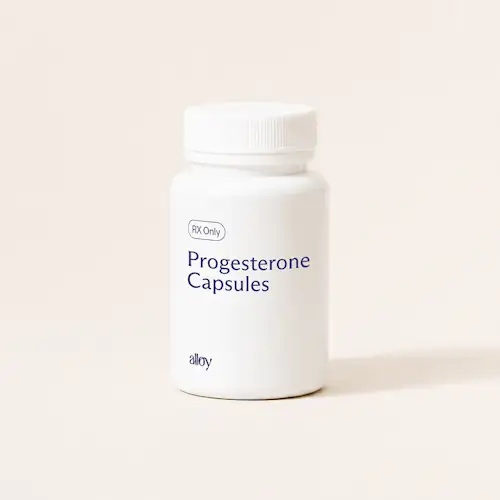
Progesterone
Starting at $23 /month
Most Affordable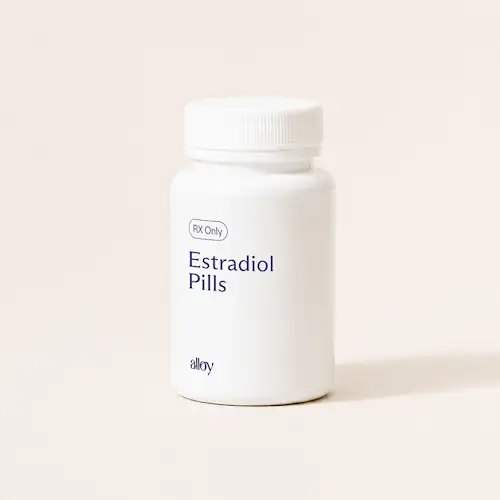
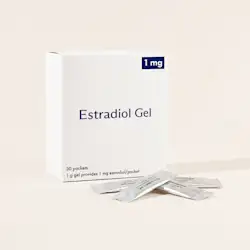
Estradiol Pill
Starting at $39.99 /month
Transdermal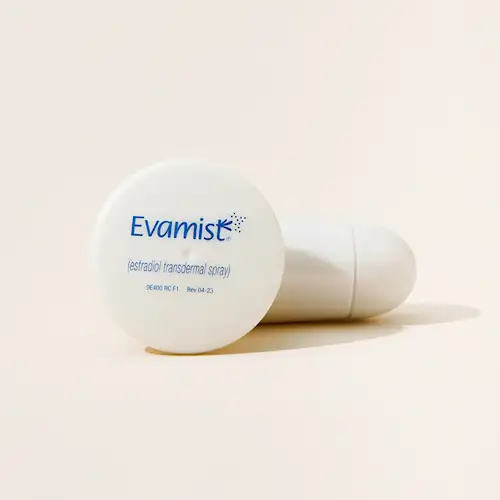
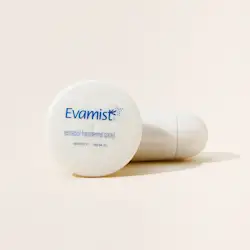
Evamist® Spray
$69.99 /month
Transdermal
Estradiol Patch
$100 /month

“Many women don’t mention sleep to their gynecologist because they assume it’s just part of getting older. You deserve a more thorough conversation than that.”
- Dr. Shelby Harris, Board-certified sleep psychologist
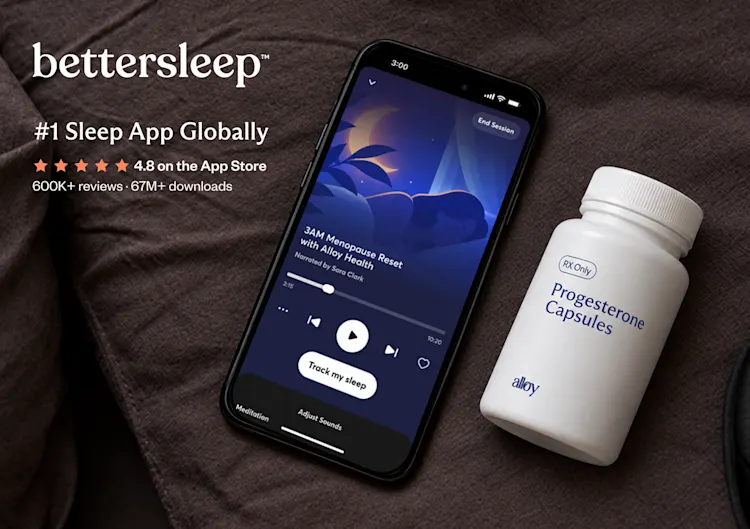
Get started with 20% off (once you've slept in)
If your 3 am wake-ups have a hormonal root cause, Alloy can help.
For a limited time, start a personalized treatment plan with a doctor and save.
Get 20% off your first order with code: BETTERSLEEP20
New customers only; excludes consults.


Frequently asked questions
Disclosure
*Figures from the Alloy × SightX ICP Segmentation Survey (conducted March 2026), n=1,304. Symptom and supplement figures are share of all respondents; “by stage” uses self-classified menopause status (Perimenopause n=357; Menopause/Postmenopause n=865). The larger SightX report uses weighted/expanded bases and a “share of total responses” view, so some percentages there differ from these raw-prevalence figures.